Pipe calibration stage
Coordinate the tank with the sizing sleeve and pipe support arrangement. Each product change should have a defined tooling and setup method.
Match sizing, water management and line alignment to your pipe range.
Plan a vacuum calibration tank for your pipe dimensions and line layout. Review the sizing sleeve, cooling conditions, alignment and access for product changes.
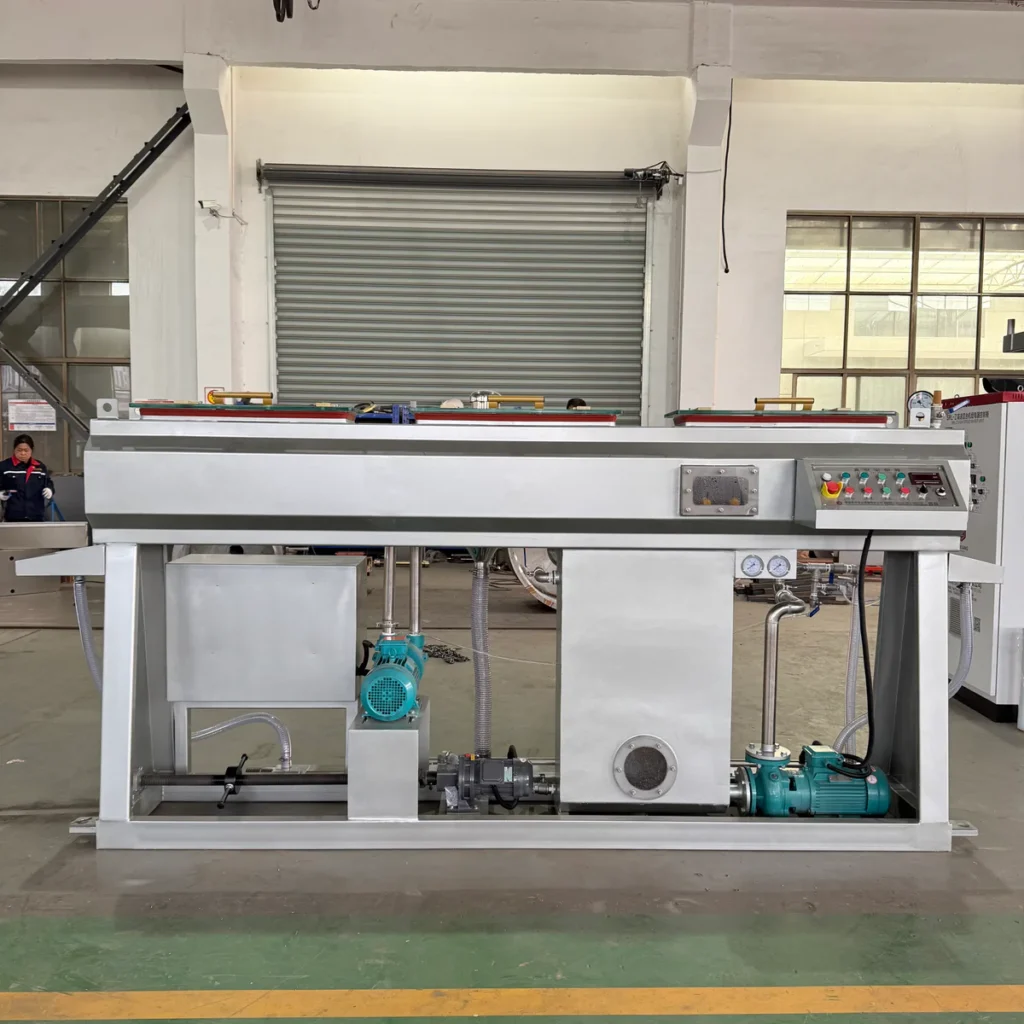
A pipe vacuum calibration tank follows the extrusion die and supports the sizing and cooling stage. The tank must suit the pipe range and the production conditions; its performance also depends on the tooling, water conditions and the downstream haul-off. Standard product-range selection and custom tank requirements can both be reviewed for the intended installation.
For a new line, review the tank with the die and planned line speed. For a replacement, begin with center height, available length and the retained connections. A tank selected only by pipe diameter can miss the cooling and installation requirements.
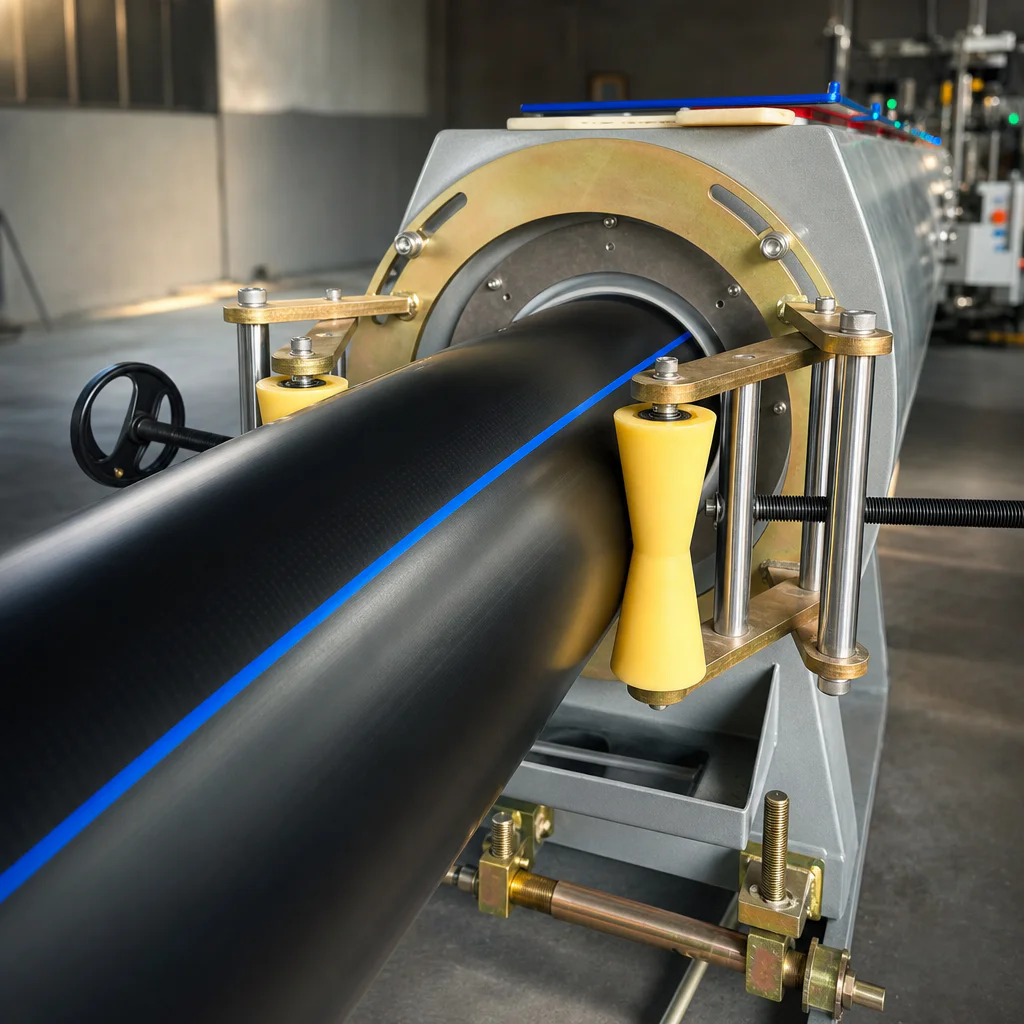
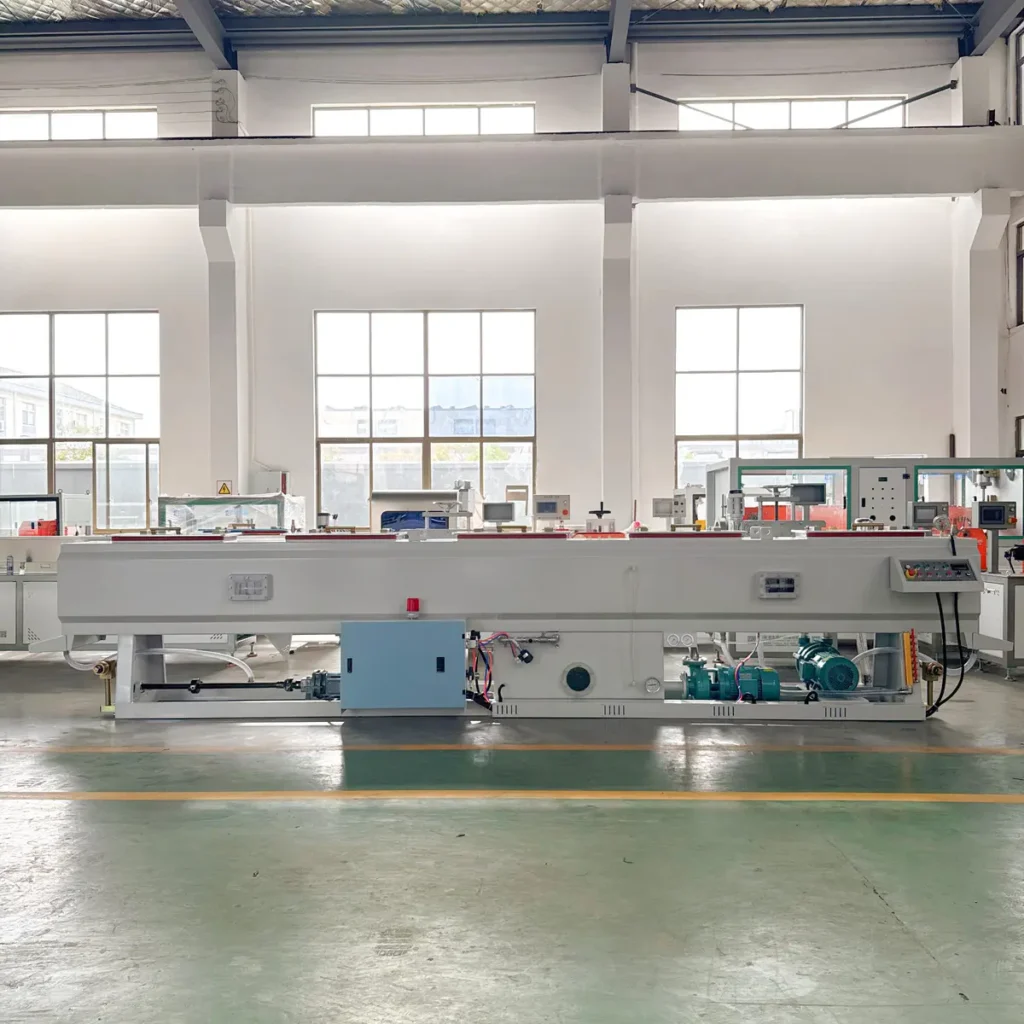
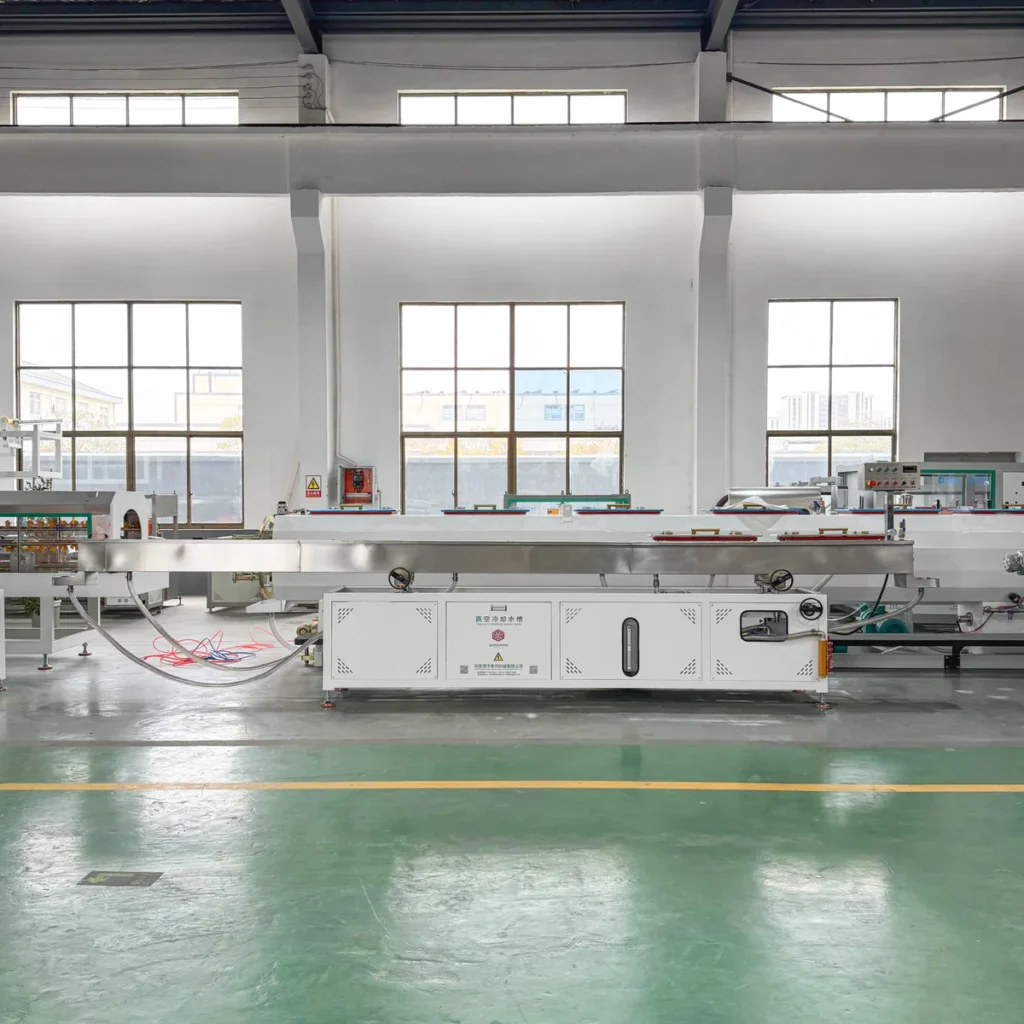
Coordinate the tank with the sizing sleeve and pipe support arrangement. Each product change should have a defined tooling and setup method.
Specify the water supply, drainage and vacuum arrangement needed for the process. Include operating conditions rather than naming only the equipment.
A custom arrangement can be specified with the required positioning and water-handling functions. Use the required installation and adjustment functions to define the project configuration.
Send your material, product size and output target. We shortlist the model and the options with you before quotation.
Place the tank within the full cooling route for the intended material, diameter and wall thickness.
Check existing die alignment, center height, water services and the space between the extrusion unit and haul-off.
Settle these points first and the quotation you receive can be compared line by line.
Provide material, wall thickness, line speed and incoming water conditions. These affect the required cooling arrangement and working length.
List the pipe dimensions and the sizing tools to be retained. Identify access, adjustment and handling needs for routine changes.
After It In The Line
Extrusion Haul-Off MachineThese machines show the position in a typical line, not a confirmed match. Interfaces are checked for each configuration.
Complete Lines Using This Machine
Related Parts To Identify
These part families are used on this type of machine. Send the nameplate, a photo or the drawing so the size and version can be matched.
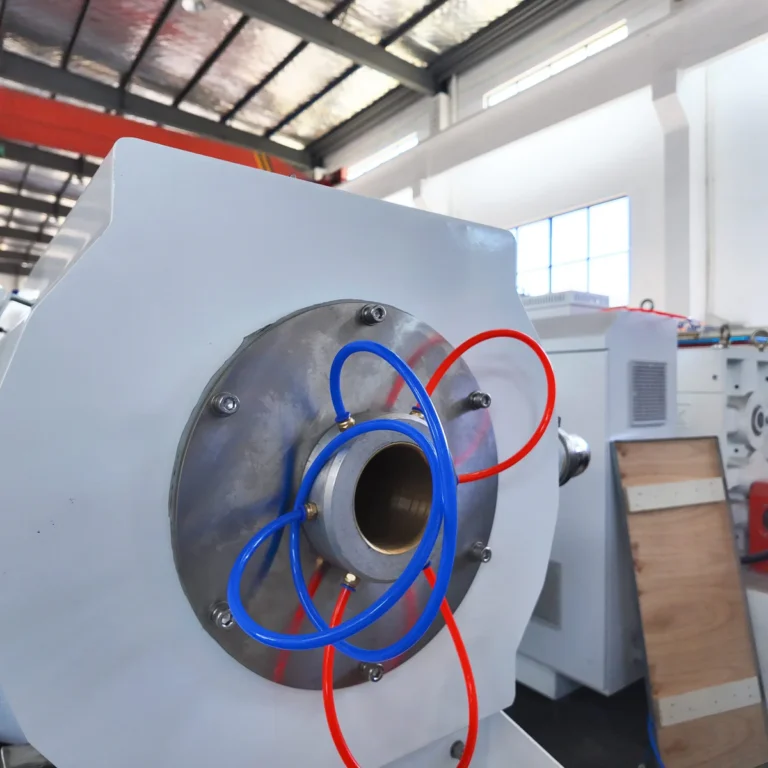
Part Family
Specify a replacement sizing sleeve around your pipe dimensions and existing calibration arrangement. Send the sleeve drawing, pipe specification and mounting photos so the working surface and installation details can be checked together.
Identify The PartPoints worth writing into the order, so the run test before shipment proves what matters for your product.
Measure the agreed pipe dimensions and surface condition during a stable run with the selected material and tooling.
Check water handling, vacuum operation, alignment adjustments and access using the agreed inspection procedure.
Project Cases
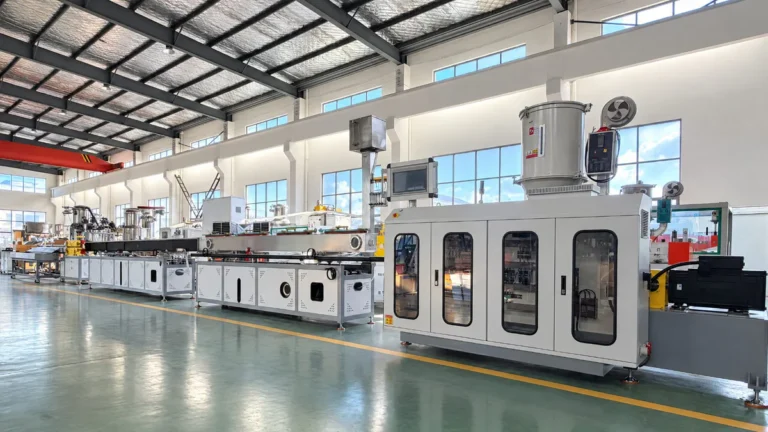 Asia-Pacific
Dosing & Feeding Equipment · Complete Extrusion Line
QTech-Machinery supplied a customized nylon tube extrusion line for a customer producing PA tubes for industrial and automotive applications. The customer required a complete production system...
Read The CaseMachine Videos
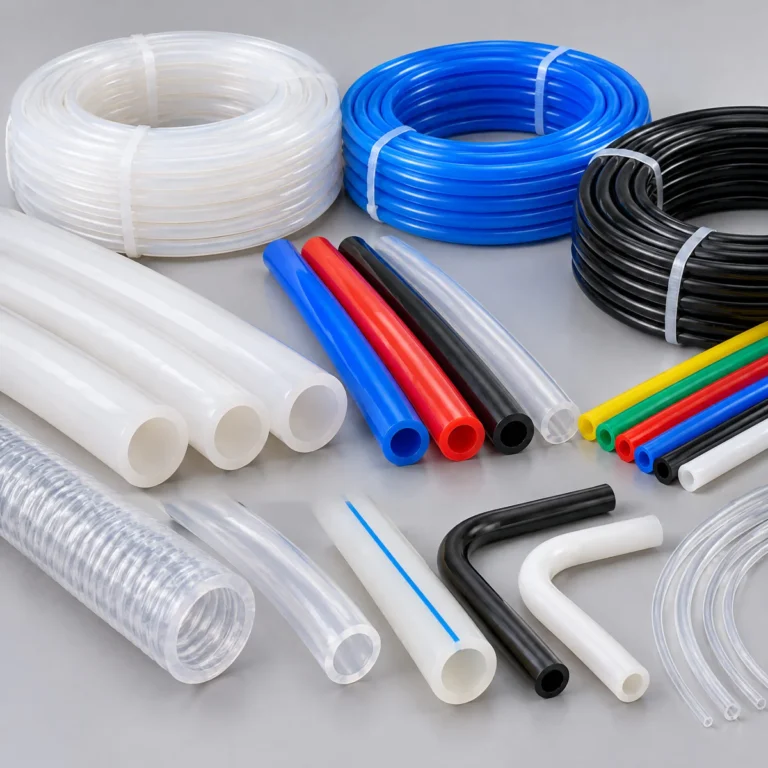 1:06
Machine Introduction · Nylon Pipe Extrusion Line
This video shows QTech-Machinery’s complete nylon tube extrusion line running after installation and commissioning. The line includes an SJ65/28 single screw extruder, customized tube die, vacuum calibration tank, immersion cooling tank, servo belt haul-off, rotary flying knife cutter, conveyor, and automatic collection system. Viewers can see the full production process from nylon material plasticizing to tube forming, cooling, traction, online cutting, and finished tube collection. It is a practical reference for manufacturers looking for nylon tube extrusion equipment, PA tube production lines, or automatic plastic tube cutting solutions.
Watch Video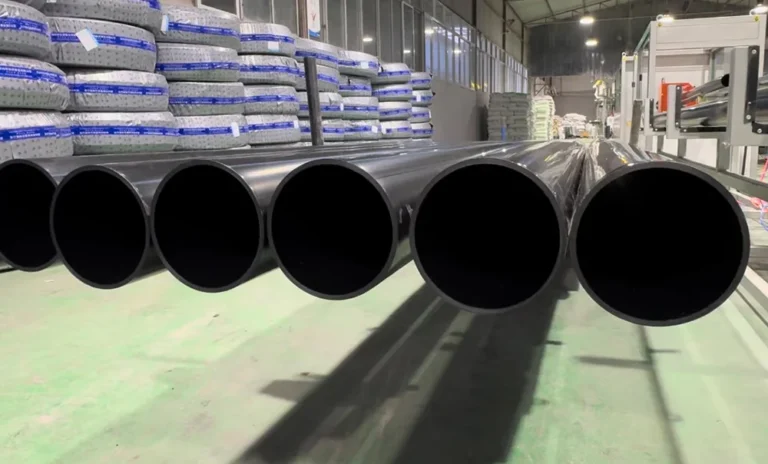 1:00
Machine Testing · Φ20–Φ110 mm HDPE Pipe Extrusion Line
Watch this video to see a complete Φ20–Φ110 mm HDPE pipe extrusion line supplied by QTech-Machinery for PE100 water supply pipe production. The line includes automatic feeding, SJ75/33 extrusion, color stripe co-extrusion, vacuum calibration, spray cooling, servo haul-off, cutting, winding, and stacking. It is a practical reference for customers looking for a reliable HDPE pipe extrusion line manufacturer in China.
Watch Video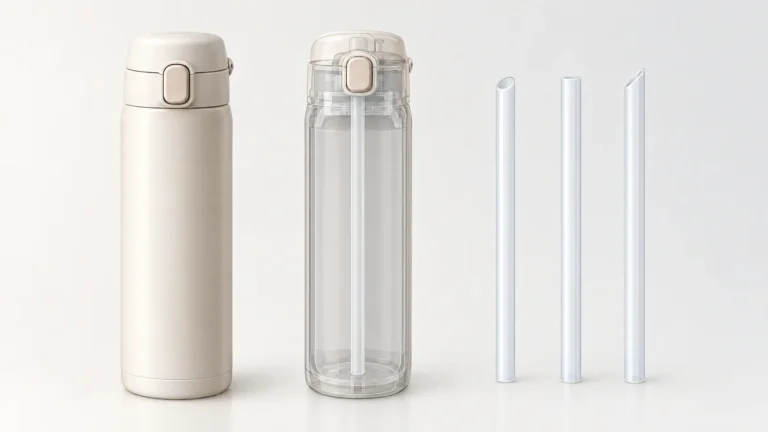 0:56
Machine Testing · Tumbler Straw Extrusion Line
Watch QTech-Machinery’s tumbler straw extrusion line for THERMOS, producing LLDPE and PCT reusable straws with automatic feeding, extrusion, cooling, servo cutting, chamfering, and V-shape opening.
Watch VideoTechnical Articles
Buying Guides · Oct 24, 2026
A complete HDPE pipe extrusion line is not just one extruder. It is a coordinated production system that includes material feeding, drying, extrusion, co-extrusion, die tooling, vacuum calibration, cooling, haul-off, cutting, winding or stacking, electrical control, spare parts, and technical documents. For manufacturers planning to produce PE100 water supply pipes, irrigation pipes, cable protection pipes, […]
Read Article
Buying Guides · Oct 29, 2026
Nylon tubes and PA tubes are produced by a complete nylon / PA tube extrusion line, not by a single standalone machine. A professional production line normally includes material drying and feeding, a single screw extruder, customized tube die, vacuum calibration tank, cooling tank, servo haul-off, online cutting machine, conveyor, and automatic collection system. For […]
Read ArticleNeed an answer for your own material or product? Ask Maggie directly.
This page covers vacuum calibration equipment. A separate spray cooling section may be part of the overall line; the number and function of cooling stages should be specified for the product.
Material, pipe dimensions, line speed, water conditions and the remaining cooling stages all matter. Diameter alone is insufficient.
Provide their drawings and mounting details along with the pipe range. Compatibility should be checked against the proposed tank arrangement.
Tell us what you need to produce, the required output and whether this is a new installation or a replacement. Share the information you already have so we can review the next configuration details with you.
Have These Ready