Spare Parts For Extruders And Pipe Lines
Heaters, thermocouples, seals, haul-off pads, blades, belling molds. Tell us the machine, show us the part, and we match the replacement against your configuration instead of a generic catalogue. Below, the parts that wear on each machine in a pipe line, and what to send so the first part you receive is the right one.
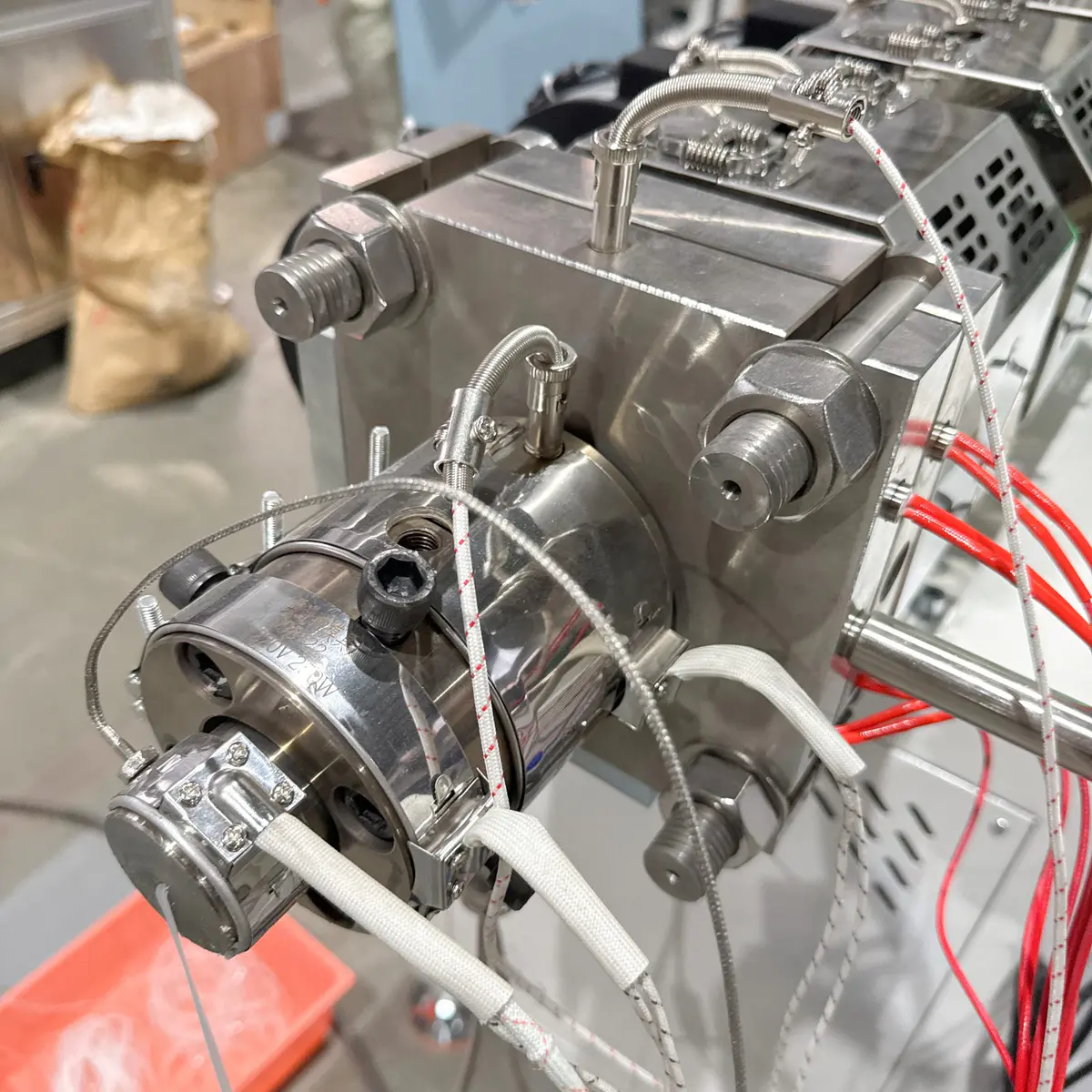 Thermocouples
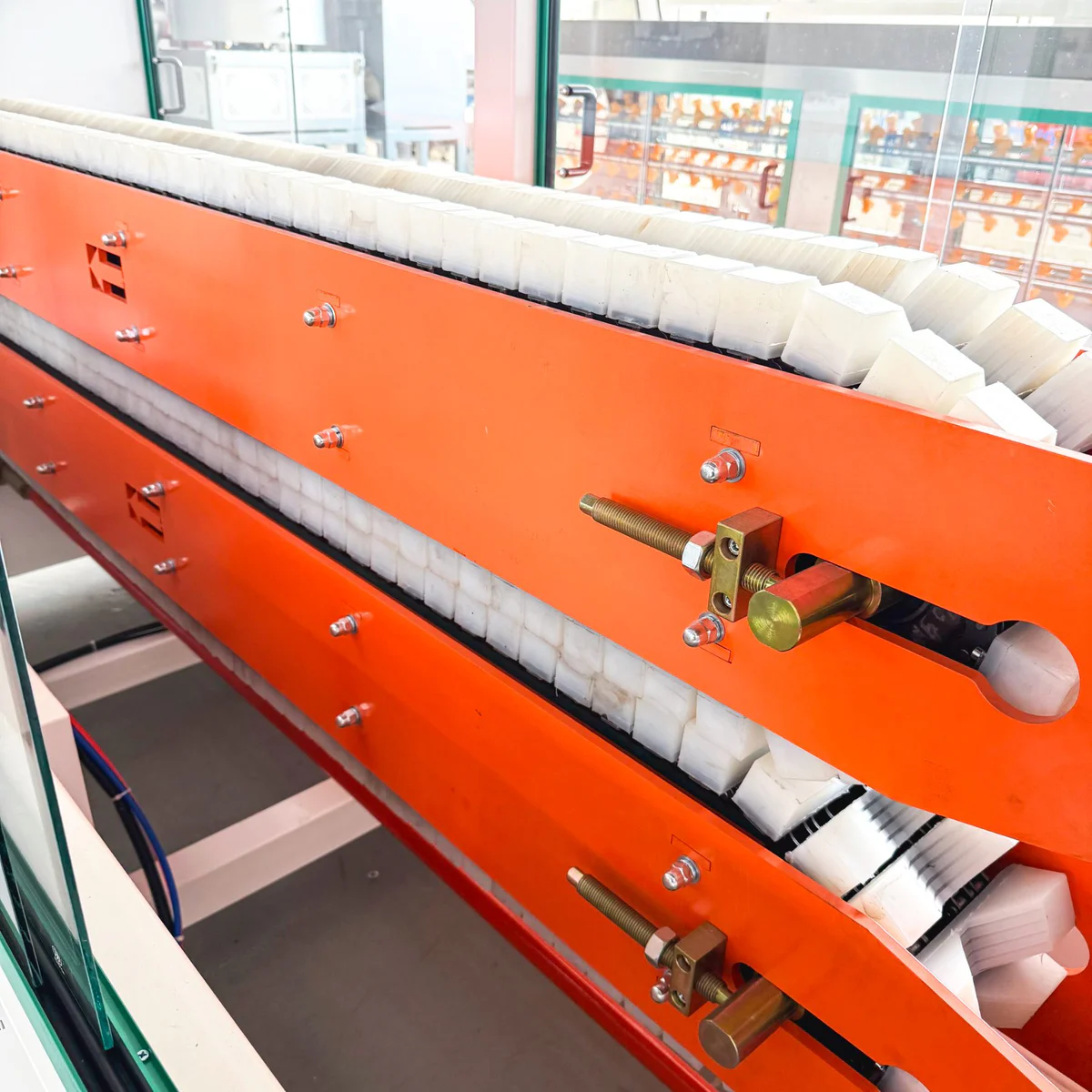 Haul-Off Pads
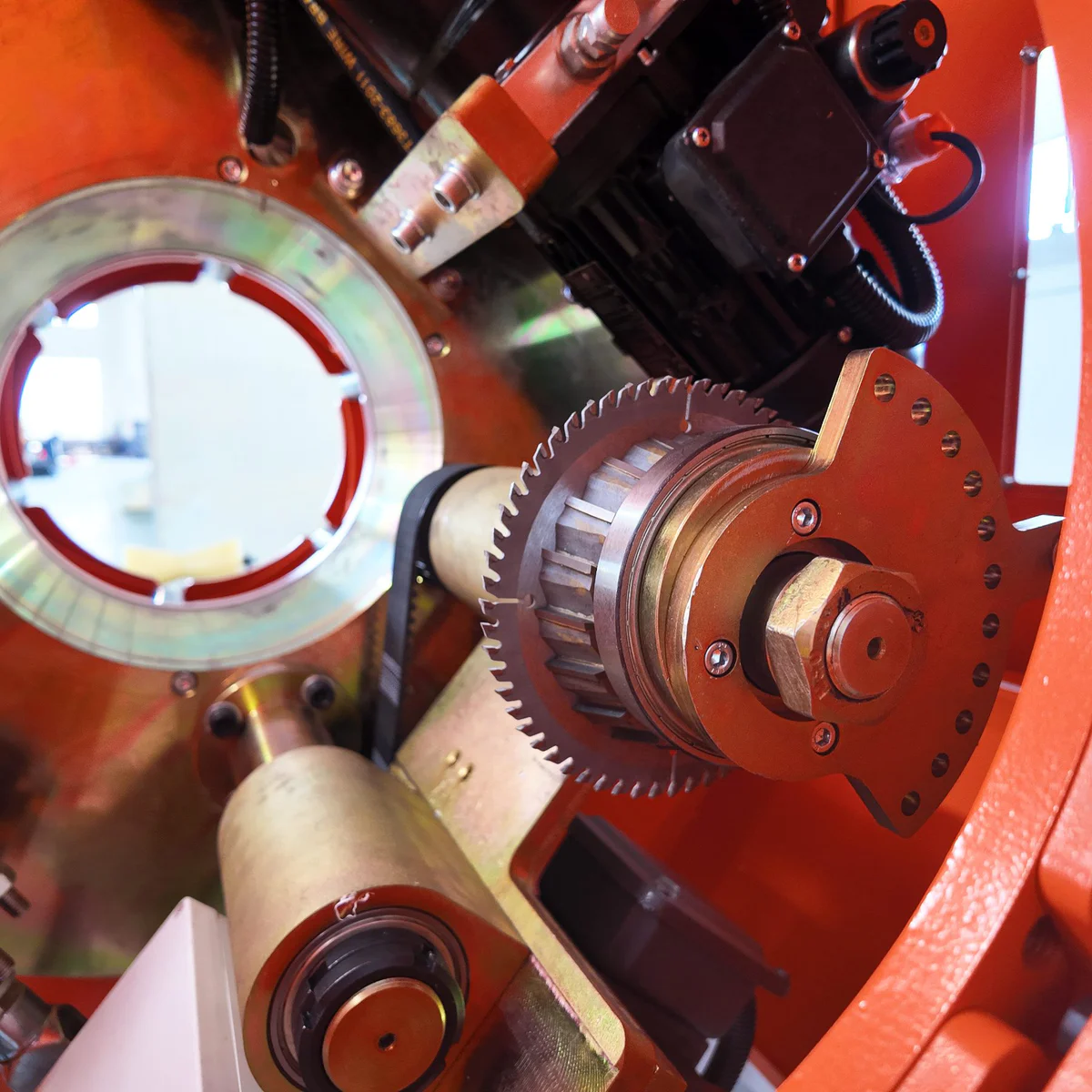 Saw Blades
 Belling Tooling
Seven Machines
Extruder to winder, each with its own wear list below.
Nameplate First
A plate photo and two part photos start most requests.
Built From Your Machine
Parts lists follow your configuration, not a template.
Replies Within 24 Hours
Maggie answers every parts request in person.
Get The Right Part The First Time
Start with your machine, then work down: what kind of part it is, how to identify it, what to send, and how the order runs from your first photo to the part on your floor.
Parts By Machine
Seven machines, their wear parts
Wear, Spares, Tooling
Three kinds of part, three orders
Identify The Part
Nameplate, photos, drawings
What To Send
Your first message, complete
How An Order Runs
Five steps, photo to part
Plan Your Spares
What to keep on the shelf
FAQ
Old machines, molds, stock
Parts Request
Send it to Maggie
Wear Parts, Grouped By Machine
Every machine in a pipe line wears in its own places. Find yours, check the parts listed under it, and open the machine page when you want the full picture of how it is built.
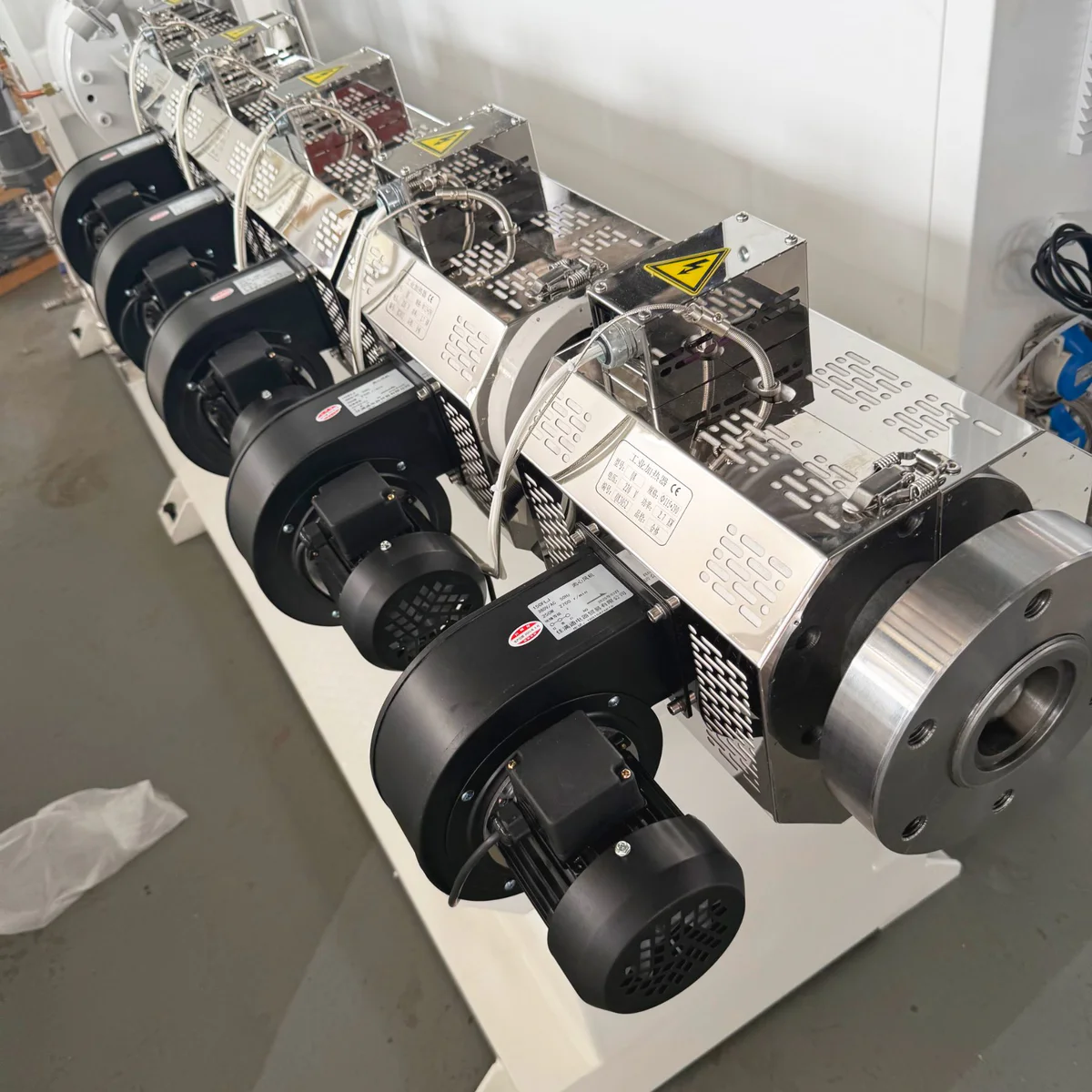 01
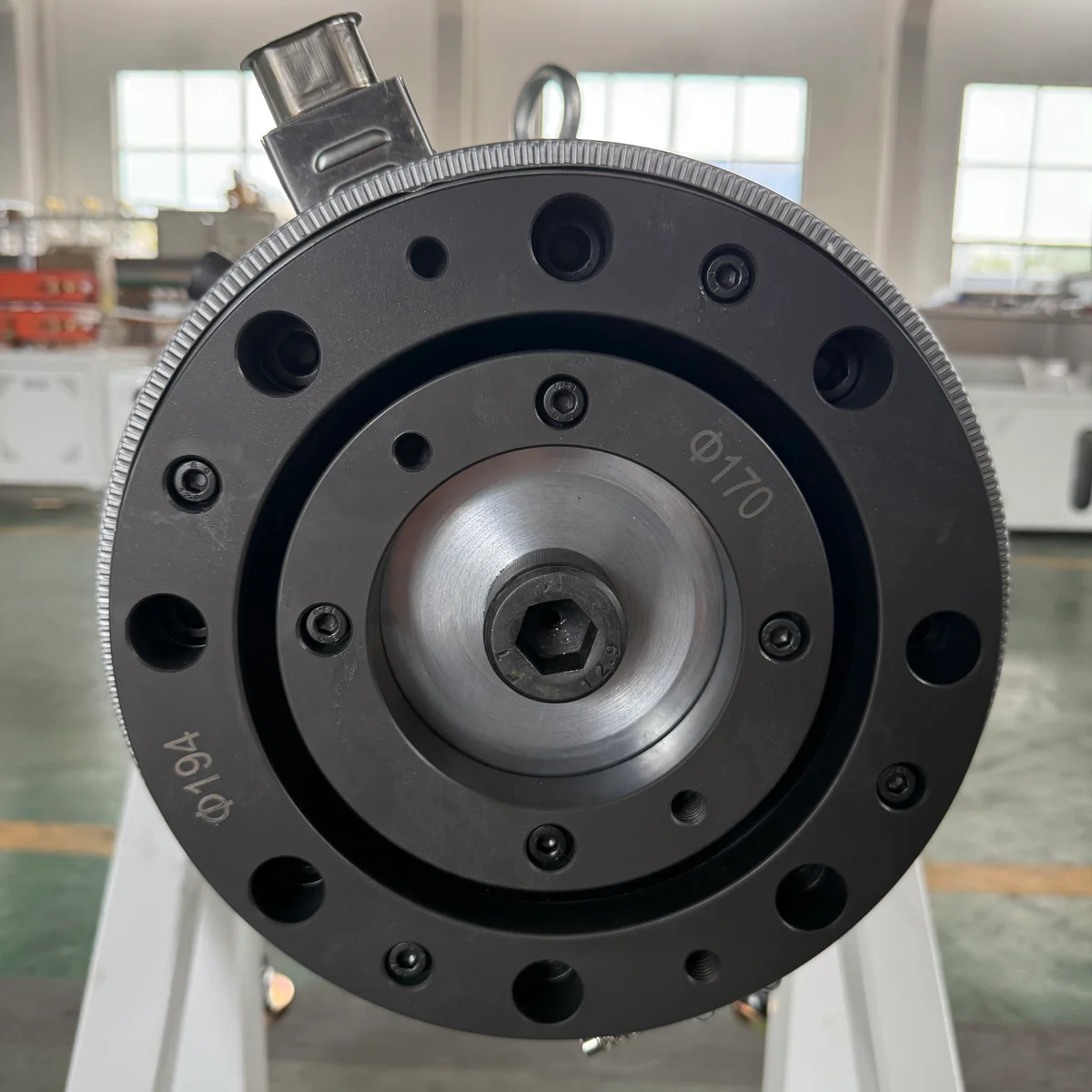
Extruder
Heaters and thermocouples are the parts that fail first. Screw and barrel wear slowly, faster with filler, regrind and long hours.
 02
Die Head
Die and mandrel come as a matched pair for each pipe size. Heater bands and thermocouples on the head are the routine spares.
 03
Vacuum And Spray Tanks
Nozzles and filters clog at a rate set by your water. The calibration sleeve changes with every finished pipe OD.
 04
Haul-Off
Pads grip the pipe along every meter. Hardened or unevenly worn pads slip, and the pipe surface shows it before any alarm does.
 05
Cutter
Blade and knife life follows your material and wall thickness. More burrs, vibration and slower cuts are the early signs.
 06
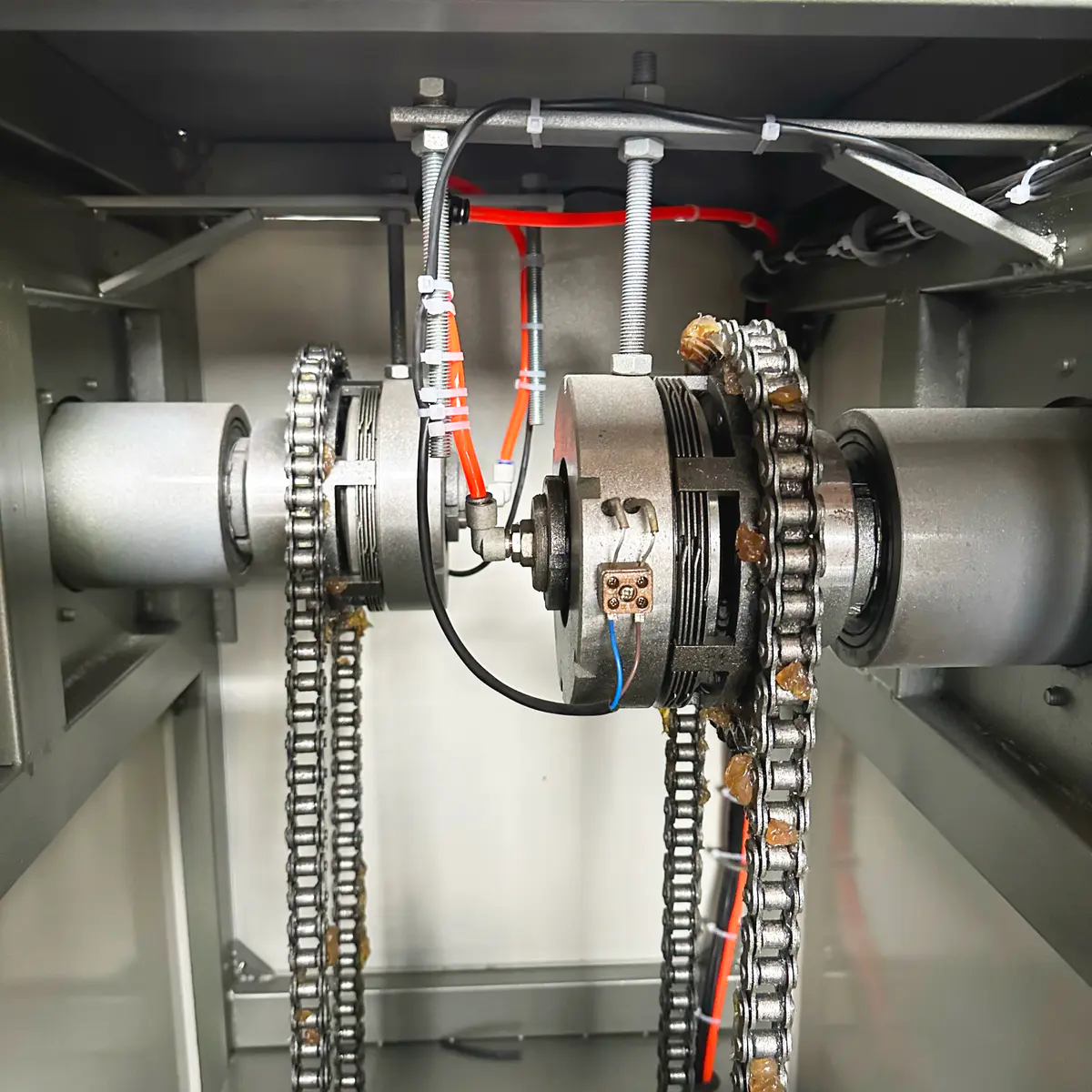
Belling Machine
Belling molds and mandrels are tooling, one set per pipe and socket size. Heaters, sensors and seals are the routine spares.
 07
Winder
Guide parts and bearings carry every turn of the coil. A worn or misaligned guide shows up as crossed or uneven layers.
Machine Not Listed?
Stackers, mixers, loaders and the rest of the line work the same way: a nameplate photo, a picture of the part and a line on what happened.
Part Families With Their Own Page
Each page explains how the part is identified, what decides the right replacement and what to send with your request.
Knowing the machine is half the job; the other half is knowing whether the part is a consumable, a service spare or size tooling, because each one is specified and ordered differently.
Three Kinds Of Part, Three Ways To Order
A saw blade, a thermocouple and a belling mold can sit on the same purchase order, yet they wear, fail and get specified in different ways. Sorting your request into the right group is the fastest way to a part that fits.
Wear Parts
Wear down in contact with the pipe, the melt or the cooling water, a little on every meter you produce.
Specified By
Material, wall range and running hours. No fixed interval fits every plant, so watch condition rather than the calendar.
Service Spares
Fail or age rather than wear away, and usually without much warning when the line is busiest.
Specified By
Model number, size and rating from your parts list or the old part. Standard electrical items may be easier to buy near you, and we say so.
Size Tooling
Changes with the pipe you make, not with wear. Treat it as production tooling, one set per specification.
Specified By
Pipe material, finished OD, wall thickness or SDR and, for belling, the socket you need. A new size inside your die body range may only need new tooling.
Once you know which group a part belongs to, four kinds of evidence take you from a rough description to the exact part.
Four Ways To Pin Down The Exact Part
Labels fade and machines get modified over the years. These four sources, roughly in this order, take a request from "the heater on zone three" to a part that bolts on.
Nameplate
One photo of each machine plate, taken square on and without glare. It tells us the machine type and model, which narrows every part on it.
Photos
The part fitted in place, then removed beside a ruler or tape. Add one wide shot so we can see where it sits on the machine.
Drawings
Assembly or part drawings from your machine documents. Where none exist, measured key dimensions: bore, length, flange holes, threads.
Line Details
Pipe material, OD and wall range, line speed, voltage and frequency. Size tooling and electrical parts cannot be matched without them.
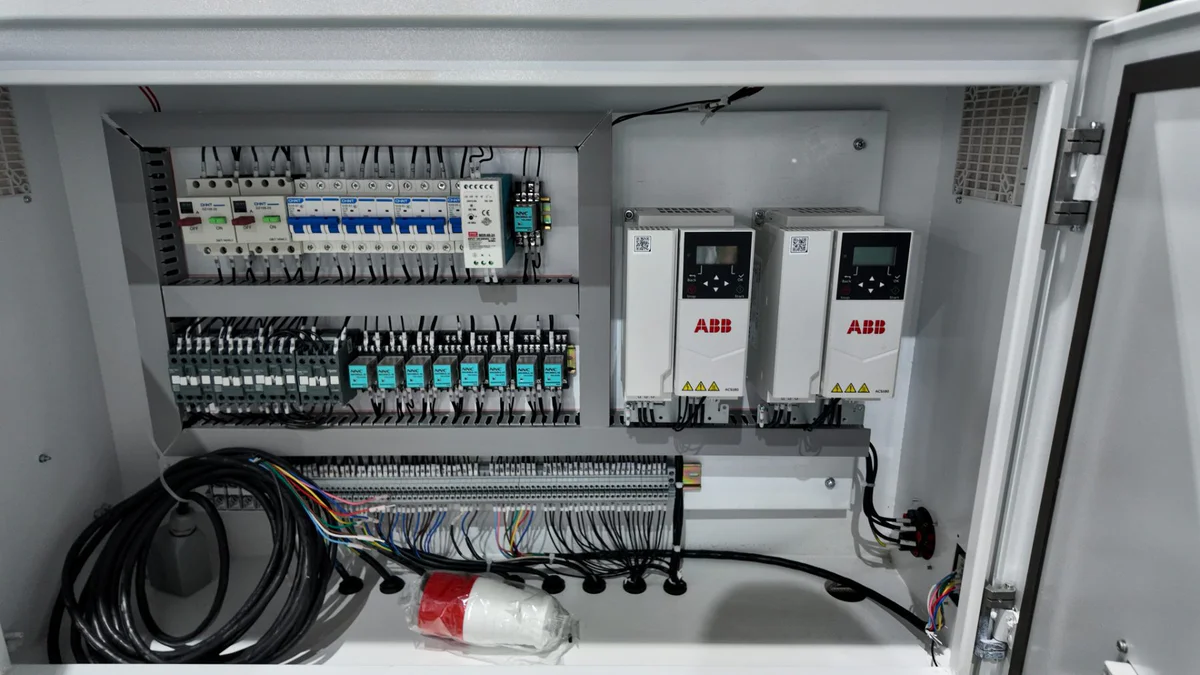
A Photo That Helps
One Clear Shot, Many Answers
An open cabinet photographed straight on shows the breakers, drives and their labels in one frame. For electrical parts, that often settles the rating before anyone has to ask.
With the part identified, one message that carries everything listed next is usually enough to get a confirmed parts list back.
What To Put In Your First Message
Eight items cover almost every parts request. Send the ones you have; Maggie asks for anything still missing in one reply instead of a string of emails.
- 1
Machine And Nameplate
Machine type, plus a photo of its plate.
- 2
Part Name Or Position
What it is called, or where it sits: "third barrel zone", "upper track, inlet end".
- 3
Photos
Fitted, removed beside a ruler, and one wide shot of the machine.
- 4
Drawing Or Dimensions
The original drawing, or the key sizes you measured.
- 5
Quantity
How many to replace now, and whether you want extra for the shelf.
- 6
For Tooling
Pipe material, finished OD, wall thickness or SDR, and the socket type for belling.
- 7
For Electrical Parts
Supply voltage and frequency, and the rating printed on the old part.
- 8
What Happened
Wear, breakage, noise or an alarm, plus the daily running hours of the line.
Parts Request Sheet
ExampleAttach
From that first message, an order follows the same five steps whether you need one thermocouple or a full set of wear parts for a line.
From Photo To Part, Step By Step
Nothing is packed until you have seen and approved the list. Each step below has one owner and one output, so you always know where your request stands.
You Send The Details
Nameplate, photos, drawing or dimensions, and the line details that apply to the part.
We Match The Part
Against the configuration and drawings of your machine, or the dimensions you measured. Where something is unclear, we ask instead of guessing.
You Confirm The List
Part descriptions, quantities and the quotation come back in writing. You approve them before anything moves.
Checked And Packed
Parts are checked against the confirmed list, then packed for export with the shipping documents.
Fitting And Support
If fitting raises a question, send photos or a short video and our technical support team works through it with you.
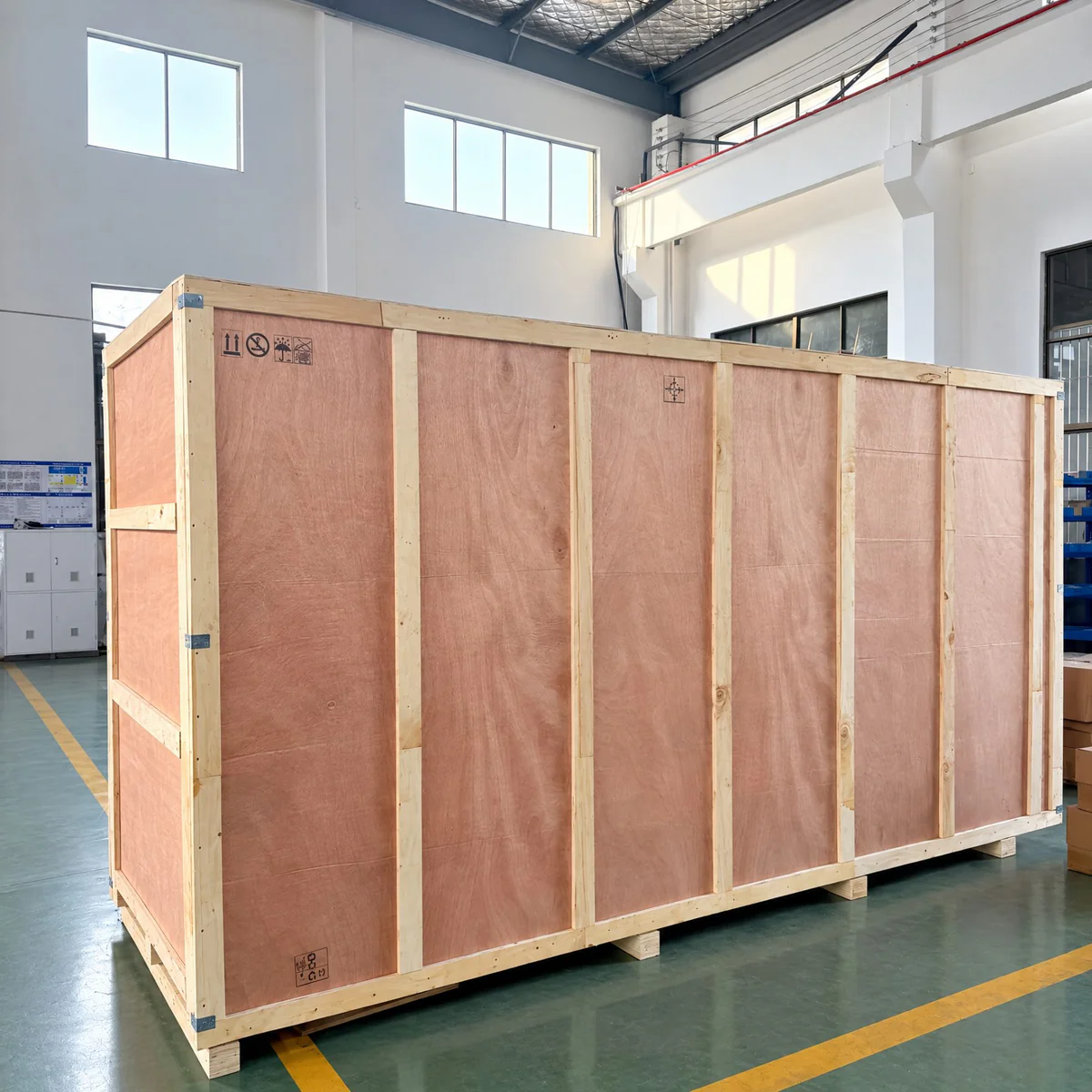
Packed For Export
Parts travel in export packing with their documents, whether they ship alone or inside a machine crate.
About Timing
Timing depends on the part and on whether it is a standard item or made to your drawing, so it is confirmed in the quotation for your request rather than promised on this page.
The easiest parts order is the one placed before the line stops, so the last step is deciding which spares belong on your own shelf.
Keep The Right Spares On Your Own Shelf
A part that costs little sitting in your store costs a stopped line when it has to cross a border. Plan the list while a new machine is still in our workshop, or now, for a line that is already running.
Packed With The Machines
Once your configuration is final, we put the recommended spares, the lubrication needs and the items worth inspecting regularly into one list. The spares then travel in the crates with the machines and their documents.
Built From Your Hours
Send the nameplates, your daily running hours and the parts you have changed so far. A cutter list, for example, follows your material, wall range and shifts, so the first year of production is covered instead of a generic sheet.
Buy Near You Where It Pays
Standard items such as breakers or relays can often be bought locally. If you can source a part reliably at home, we tell you so rather than ship it halfway round the world.
A Common Starting Shelf
Parts Most Lines Keep In Stock
Your own list comes from your machines, but these are the items that appear on most of them. Not sure the part is the problem at all? Start with technical support.
Spare Parts Questions
What buyers and maintenance teams ask most before they order parts. If your question is not here, Maggie answers it directly.
Not on this page. Each part is matched to your machine first, so price and timing come with the quotation for your request rather than from a general list.
Start with the nameplate photo and photos of the part, fitted and removed. Drawings from your original machine documents speed things up; where they are missing, measured dimensions usually close the gap.
Say so in your first message. Standard items such as heaters, thermocouples and seals are matched on dimensions and rating. Tooling and machine-specific parts need a drawing or careful measurements before we can confirm a fit, and we tell you plainly if we cannot.
They are better treated as production tooling, one set for each pipe and socket specification. To order one, send the pipe material, finished OD, wall thickness or SDR and the socket you need to form.
Often. If the new size sits inside the practical range of your die body, a new die and mandrel set may be all the head needs. Remember the calibration sleeve in the vacuum tank, which has to match the new finished OD as well.
Send photos or a short video, the readings from the control screen and what changed. Our technical team looks at them with you before you buy anything, so a settings problem does not turn into an unnecessary parts order.
It depends on your machines and hours, but heater bands, thermocouples, seals, haul-off pads, blades or knives, spray nozzles, filter elements and pneumatic seals turn up on most lists. Send your nameplates and running hours and we build yours.
Yes. The spares list is agreed before shipment and the parts are packed with the machines and their documents, so your store room is stocked before the line starts.
Send Your Parts Request To Maggie
A nameplate photo, a picture of the part and a line on what happened. That is enough for us to start matching, and anything still missing gets asked for in one go.

Maggie
Sales, QTech Machinery
Replies within 24 hoursParts requests land with me first. I check what you sent, ask for anything missing in a single reply, and bring in an engineer whenever the part needs one.
What Comes Back To You
- The matched part, or a short list of what is still needed to match it
- Part descriptions and quantities in writing, with the quotation
- A spares list for your machines if you want stock on the shelf
Maggie
Sales, Zhangjiagang Qinxiang Machinery Co., Ltd.
Request A Spare Part
Fields marked are required. Photos can follow by WhatsApp or email once we reply.