Cooling Capacity Matched To Your Pipe And Line Speed
We configure spray cooling tanks for PVC, PE, HDPE and PPR pipe lines around the numbers that actually decide cooling length: your pipe diameter, wall thickness, line speed, the cooling you already have in place, and your cooling water temperature.
Building a new line or adding cooling to a line that is already running, send your production requirements and we work out the tank length and spray configuration that holds your dimension at speed.

Pipe Material
PVC, PE, HDPE or PPR.
Pipe OD And Wall
Your diameter range plus wall thickness or SDR.
Maximum Line Speed
The output speed you need to hold, in m/min.
Existing Cooling
Vacuum tank length plus any spray length already installed.
Get Your Cooling Length Right
Twelve sections, from why the cooling section caps your line speed through to sending us the four numbers we need. Jump straight to whatever matches where your line is right now.
Cooling Bottlenecks
Where the line slows before the extruder
Capacity Selection
Tank length against diameter and speed
Cooling Configurations
Spray, immersion, combined tanks
Uniform Spray Cooling
Nozzle layout around the full pipe
Cooling Troubleshooting
Deformation, ovality, hot spots
Capacity Upgrade
Adding length to a running line
Water System
Pump head, flow, tower and chiller
Operation And Maintenance
Nozzle cleaning, filters, seals
Factory Manufacturing
Stainless fabrication and welding
Inspection
Water run test before shipment
FAQ
Lead time, nozzles, voltage
Is Cooling Limiting Your Line Speed?
Your extruder may still have output in reserve, but the line only runs as fast as the pipe can be cooled to a stable condition. If the pipe is still hot or soft before the downstream equipment, pushing more material through the extruder does not give you more usable production.
Extruder
Melt output in kg/h
Die Head
Wall distribution and flow
Vacuum Tank
Diameter and ovality set here
Spray Cooling
Capacity LimitWhere the remaining heat has to leave the wall
Pipe still too hot at target speed?
This is usually the section that caps the line, not the extruder.
Haul-Off
Grips the pipe, marks show if it is soft
Cutting
Clean cut needs a rigid wall
Four Things You See On The Floor
Pipe Still Soft Before Haul-Off
The wall has not given up enough heat by the time the haul-off closes on it. You see track marks, flat spots, or pipe that will not sit straight on the rack.
Stable Slow, Unstable Fast
The line holds dimension at a lower speed, then quality starts drifting the moment you accelerate. That is cooling capacity running out, not the extruder.
Pipe Temperature Stays High
Still warm at the gauging head, the printer, or the saw. Either the total cooling length is short for your speed, or the water side is not pulling the heat away fast enough.
Output Is Capped By Cooling
The extruder can push more, but you keep the line slow to protect pipe quality. Adding output before you add cooling only moves the problem further downstream.
Adding Another Tank Is Not Always The Answer
Before quoting extra cooling length, we go through your pipe size, wall thickness, line speed, the cooling length already installed and your cooling water conditions. Sometimes the limit is the water side or the spray layout, not the meters of tank. Knowing which one it is saves you buying capacity you already have.
How Much Cooling Capacity Do You Need?
Pipe diameter on its own does not tell you how long the cooling section has to be. What decides it is how much heat has to leave the wall before the pipe reaches your haul-off, gauging head, printer or saw.
These are the six production conditions we go through before quoting a tank length.

Pipe Material
PVC, PE, HDPE and PPR leave the die at different temperatures and give up heat at different rates. The same tank length behaves differently depending on what you are running that week.
Send us: PVC, PE, HDPE or PPR

Pipe OD And Wall Thickness
A bigger diameter does not automatically mean more cooling. Wall thickness and the total mass of material moving through the tank decide how much heat actually has to come out.
Send us: Diameter range plus wall thickness or SDR

Maximum Line Speed
The faster the pipe moves, the less time it spends under the sprays. A higher target speed usually means a longer cooling section, or a second tank running in series behind the first.
Send us: The speed you need to hold, in m/min

Cooling Water Temperature
Cooling performance moves with your inlet water temperature. A layout that holds dimension in winter on cold water can fall short in summer at plant temperature, on exactly the same pipe.
Send us: Inlet water temperature, summer and winter

Existing Cooling Length
On a line that already runs, we look at your vacuum tank and the spray length you have now before adding anything. Sometimes the length is already there and the water side is the real limit.
Send us: Vacuum tank length plus current spray length

Extruder Output
Output in kg/h sets the thermal load arriving at the tank. It has to be read together with line speed, because the same kg/h on a thinner wall means the pipe is moving faster past the nozzles.
Send us: Output in kg/h and screw diameter
Eight Lines And We Can Size Your Tank
Paste them into an email or a WhatsApp message, no drawings needed. If you only have five or six of them, send those and we will ask about the rest. Nothing here is a form to fill in, it is what your production sheet already says.
Cooling Configurations For Different Production Needs
The right configuration comes out of your thermal load, the line speed you need to hold, your pipe dimensions and how much cooling length the line can physically take.
We build the cooling section around your production conditions, not around the pipe material on its own.
Standard Spray Cooling
Regular pipe extrusion lines running at moderate production speeds, where one cooling section gives the pipe enough time to stabilise before it reaches the downstream equipment.
When To Consider It
Your line speed leaves enough cooling time in a single tank, and the pipe arrives at the haul-off rigid and dimensionally settled.
What We Review
- Pipe size
- Wall thickness
- Line speed
- Water temperature

High-Speed Spray Cooling
Smaller diameter pipe running at higher line speeds, where the pipe passes the nozzles quickly and the cooling time available becomes the thing that limits your output.
When To Consider It
The pipe moves through the cooling section faster than the heat can leave the wall, so quality starts drifting as soon as you push the speed up.
What We Review
- Line speed
- Extruder output
- Spray coverage
- Water flow rate
- Total cooling length

Large-Diameter Spray Cooling
Larger pipe or heavier wall production, where the thermal load is higher and the pipe still needs proper support while it is soft inside the tank.
When To Consider It
The mass of material carries more heat into the tank, and the hot pipe needs a tank structure and support arrangement built for that weight.
What We Review
- Pipe OD
- Wall thickness
- Thermal load
- Support arrangement
- Cooling length

Tandem Multi-Stage Cooling
Lines that need more total cooling length than one tank can give, run as two or more tanks in series so the pipe keeps cooling across the full run to the haul-off.
When To Consider It
One spray tank cannot deliver enough effective cooling length at the speed you need, so the length has to be split across tanks along the line.
What We Review
- Existing tank length
- Available floor space
- Water capacity
- Downstream layout
Side By Side
| Configuration | Suitable For | When To Consider It | What We Review |
|---|---|---|---|
| Standard Spray Cooling | Regular pipe lines at moderate production speeds | One cooling section still gives enough cooling time before the downstream equipment | Pipe size, wall thickness, line speed, water temperature |
| High-Speed Spray Cooling | Smaller diameter pipe at higher line speeds | The pipe passes the nozzles faster and available cooling time runs short | Line speed, output, spray coverage, water flow, total cooling length |
| Large-Diameter Spray Cooling | Larger or heavier wall pipe production | Higher thermal load and hot pipe support call for a different tank structure | Pipe OD, wall thickness, thermal load, support arrangement, cooling length |
| Tandem Multi-Stage Cooling | Lines needing a longer total cooling section | One tank cannot give enough effective cooling length at the required speed | Existing tank length, floor space, water capacity, downstream layout |
One Tank Or Multiple Tanks?
There is no fixed answer that comes from pipe diameter alone. Plenty of lines run fine on a single spray cooling tank. Push the speed up, run a thicker wall, or bring more material through per hour, and you may need two or more stages to reach the total cooling length the line actually requires.
Send your pipe range, wall thickness, maximum line speed and current line layout, and we will come back with a configuration that fits the floor you already have.
Uniform Cooling Starts With Water Distribution
How well a tank cools comes down to how evenly water actually reaches the pipe, not how big the pump is or how many nozzles are bolted in.
The spray system has to hold coverage along the full cooling length and all the way around the pipe, so you do not get hot spots showing up as soon as you change speed.


A Hot Spot Is Usually A Coverage Problem
If one part of the pipe keeps coming out hotter than the rest, the pump is rarely the reason. Water is reaching some of the surface and not the rest. Work through these four before you spend money on more pressure.
When Cooling Performance Starts To Limit Production
Cooling problems usually stay invisible until you push the line speed up or run continuously for a longer stretch. Then they show up all at once.
Five symptoms you can match against what your line is doing, with what to check before anyone changes the tank configuration.

Most of these can be worked through on your own floor before you buy anything. If none of them explains what you are seeing, send us the numbers and we will look at the configuration.
Pipe Is Still Soft Before Haul-Off
If the pipe is still soft when the haul-off closes on it, start with whether your total cooling length actually covers the wall thickness and speed you are running now, not the ones the line was built for.
Then look at cooling water temperature, circulation flow, and whether every spray zone is genuinely working.
Check First
Stable At Low Speed, Unstable At High Speed
Quality holds at a lower speed and starts moving once you accelerate. That pattern usually means the cooling section is close to the capacity it has.
The faster the pipe passes through the tank, the less time there is to pull heat out before the downstream equipment gets hold of it.
Check First
Some Areas Stay Hotter Than Others
Uneven temperature around the pipe points at uneven spray coverage far more often than at a shortage of total cooling capacity.
Blocked nozzles, poor water distribution or unstable circulation all belong on the list before anyone talks about a bigger pump or another tank.
Check First
Pipe Deforms Or Sags In Cooling
Deformation through the cooling section does not automatically mean you are short on cooling.
How stiff the pipe is when it enters, where the support rollers sit, how far apart they are, and whether the line is running true all feed into it.
Check First
Cooling Water Keeps Getting Hotter
If water temperature climbs through a long run, the tank is taking in more heat than your plant water system can get rid of.
Look at the circulation system together with the cooling tower, chiller or heat exchanger before you push the line speed any further.
Check First
Do Not Diagnose From One Symptom Alone
If OD or roundness is already drifting before the pipe reaches the spray cooling section, the cause sits upstream. Extrusion, die flow or vacuum calibration are where you look, and no amount of cooling length downstream will fix a dimension that was never right going in. Tell us what the pipe measures at each stage and we can point at the section that is actually causing it.
Need More Cooling For A Higher Line Speed?
Your line runs reliably. The problem only appears when you try to speed it up and the pipe comes out of the cooling section still too hot to hand over. Adding cooling capacity can open up output the line already has in reserve.
Before we quote another spray tank, we go through the whole line and confirm that cooling is the thing holding you back, not something further along.

Five Things We Review First

Current Cooling Section
We start with what you already have installed. Vacuum tank length, spray cooling length, and how much cooling time that actually gives the pipe at the speed you run today. Often the answer changes the conversation before anything gets quoted.

Target Production Speed
Tell us the speed or the output you want to reach, not the one you run now. The extra cooling requirement gets worked out against that target and your current conditions, so you find out what it takes before you commit to it.

Available Floor Space
An added tank has to fit the layout you have, hold the same center height, and connect cleanly to the equipment on both sides. Send the space you can give it and the height your line runs at, and the tank is built to those numbers.

Water System Capacity
More cooling length pulls more circulation flow and dumps more heat into your water system. The cooling tower, chiller or plant water supply gets checked at the same time, because a tank that cannot get cold water is just a longer tank.

Downstream Equipment
A faster line asks more of everything after the tank. Haul-off, measuring, printing and cutting all need the capacity to keep up. There is no point buying cooling length if the saw becomes the new limit at the speed you were aiming for.
A Typical Cooling Upgrade
Another tank buys you total cooling length, and on plenty of lines that is exactly what is missing. It still only makes sense once the whole line has been reviewed, because length added in front of a downstream section that cannot keep up just moves your limit somewhere else.
What We Need To Review
Ten lines off your production sheet and a rough sketch of the line layout. That is enough for us to tell you whether more cooling length opens up the speed you want, or whether something else is holding the line back. Send what you have, we will ask about the rest.
Check The Water System Before Finalizing The Tank
How well a spray tank cools is only half about the tank. The other half is the water you feed it.
Before we confirm a configuration, we go through your available water temperature, circulation capacity and heat removal, so the tank works under the conditions you actually run in, not the ones on paper.
Cooling Water Temperature
Tell us what your inlet water actually reads during production, and specifically what it reads in the worst week of your summer.
Warmer inlet water leaves less temperature difference to cool with, and that alone can change which configuration your line needs.
Required Water Flow
The circulation system has to deliver enough flow to hold spray coverage across the whole cooling section, not just the first few meters.
Flow gets worked out together with tank length, spray layout and the production load you are putting through it.
Supply And Return Water
Both sides matter. Supply tells you what the tank has to work with, return tells you what came back out.
If return temperature keeps climbing through a long run, your external water system is not shedding heat fast enough to keep up.
Filtration
Particles in circulating water slowly choke filters and block nozzles. Nothing announces it, the coverage just quietly goes away.
Proper filtration and cleaning points your operators can actually reach are what keep distribution consistent through continuous production.
Cooling Tower, Chiller Or Heat Exchanger
All the heat you pull out of the pipe ends up in the water. Something has to take it back out again.
If you are raising output or adding another tank, the existing tower, chiller or heat exchanger needs checking for capacity at the same time.
Drainage And Make-Up Water
Drainage, water replacement and routine cleaning are easier to plan before installation than after.
Worth extra attention where your water quality or sediment is likely to affect how the system runs a year or two in.
Send your inlet water temperature, circulation flow and what the plant uses to remove heat, and the tank gets configured around those numbers rather than around an assumption.

Easier To Run, Easier To Maintain
A spray cooling tank runs continuously with water, nozzles, filters, pumps and pipe supports all working at once. How usable it is day to day comes down to more than cooling numbers.
What matters on shift is how easily your operators can adjust it, look inside it, clean it and service it without stopping the line longer than they have to.
Minutes You Get Back Every Shift
A size change touches supports, guides and the cooling path. How fast that goes decides how many specifications you are willing to run in a week.
If checking inside the tank is awkward, nobody checks it. Problems get found by the quality report instead of by the operator.
Tell us how often you switch sizes and how many shifts you run. The layout gets built around that, not around a showroom photo.
Adjustable Pipe Supports
When you change pipe diameter, the supports should move with it so the pipe stays on the line center instead of riding off to one side.
Roller position also carries the pipe while it is still soft going through the cooling section.
Ask about: Support spacing across your diameter range
Easier Size Changes
A size change means touching supports, guides and the cooling path. On some tanks that is twenty minutes, on others it is half a shift.
Adjustment points that are easy to reach take work out of every specification switch you make.
Ask about: How many sizes you switch between
Clear Access To The Cooling Section
Covers and access doors let you check the spray area, the pipe position and the internal parts without turning a routine inspection into a job.
If looking inside is awkward, it stops happening, and small problems get found late.
Ask about: Cover type and access door positions
Pipe Blow-Off
Water left on the pipe at the tank outlet shows up later as printing that will not hold, or measuring that reads wrong.
An air blow-off device can be configured to strip surface water before the pipe reaches the next process.
Ask about: What comes directly after the tank
The Parts Somebody Has To Reach
Nozzles block, filters fill, pumps eventually need looking at. None of that is avoidable. What is avoidable is having to pull equipment apart to get to any of it.
Accessible Spray Nozzles
Nozzles need checking and cleaning on a schedule, and more often than that if your circulating water carries particles or leaves deposits.
When cooling starts going uneven, the layout should let your operators get at one spray area on its own rather than stripping the whole run to find the blocked one.
Easy To Clean Filters
Filters are what keep contamination out of the spray circuit, which means they collect it themselves and slowly fill up while the line runs.
Put them somewhere reachable and cleaning becomes a five minute job on a shift change. Put them somewhere awkward and flow quietly drops until somebody notices the pipe.
Complete Drainage
The tank and the circulation system both need to empty properly, for cleaning, for maintenance, and for any shutdown that lasts more than a weekend.
Draining fully also keeps standing water and sediment from sitting inside the system between production runs.
Pump And Pipeline Access
Pumps, valves and circulation pipework all get inspected or replaced eventually. That is normal wear, not a fault.
Where they sit in the layout decides whether that work costs an hour or costs you moving surrounding equipment out of the way first.

Service Access Is A Layout Decision
Once the tank is bolted down and the line is running, nobody moves a pump to make it easier to reach.
Send us the space you have on each side of the line, including where your walkways and other machines sit.
Tell us your water quality too. Hard water and sediment change how often somebody is going to be opening filters.
What To Check On An Existing Line
If the tank is going onto a line that already runs, confirm these eight before anything gets built. They are the ones that are cheap to answer now and expensive to discover after the crate lands on your floor.
Good maintenance access does not add a single degree of cooling capacity. What it does is keep the cooling you paid for working the same way through cycle after cycle.
Built Around The Cooling System You Actually Need
Stainless steel tank fabrication, internal spray piping, nozzle layout, filtration, pipe supports and water circulation testing. Every tank is built to the line configuration it is going into.
The photos below cover the manufacturing and assembly detail behind the cooling system, including the parts that decide water distribution, maintenance access and how the tank holds up over years of production.



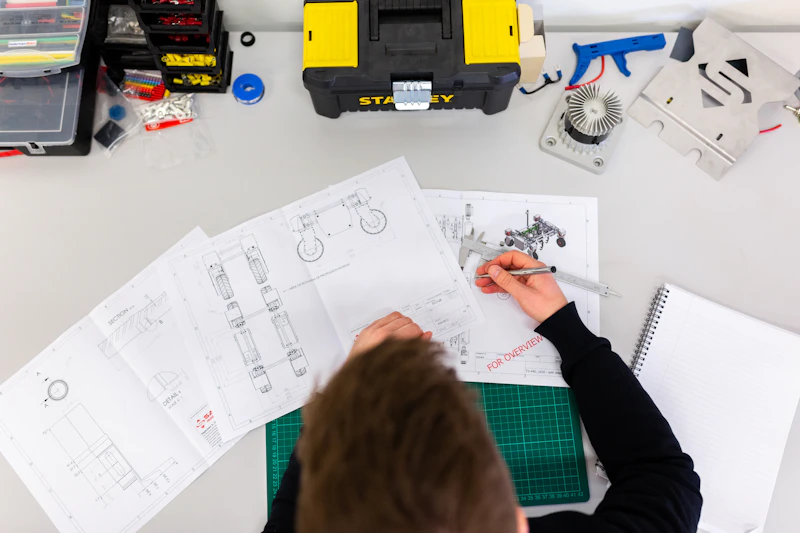


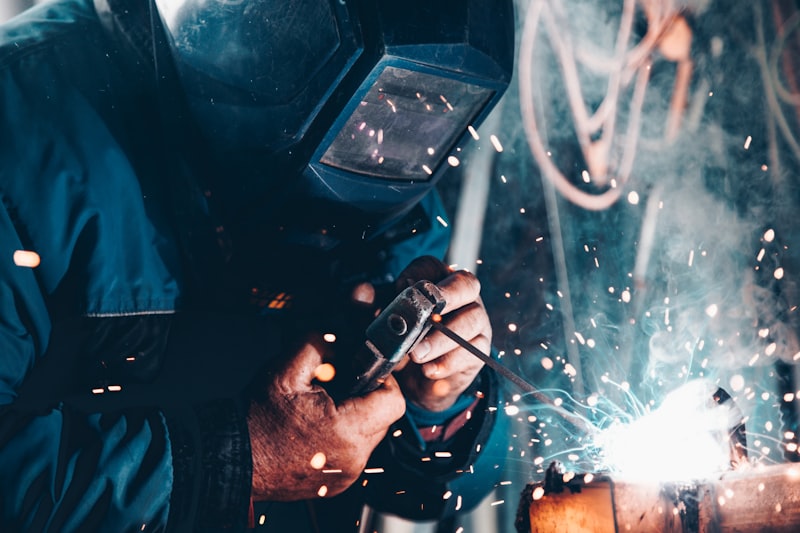


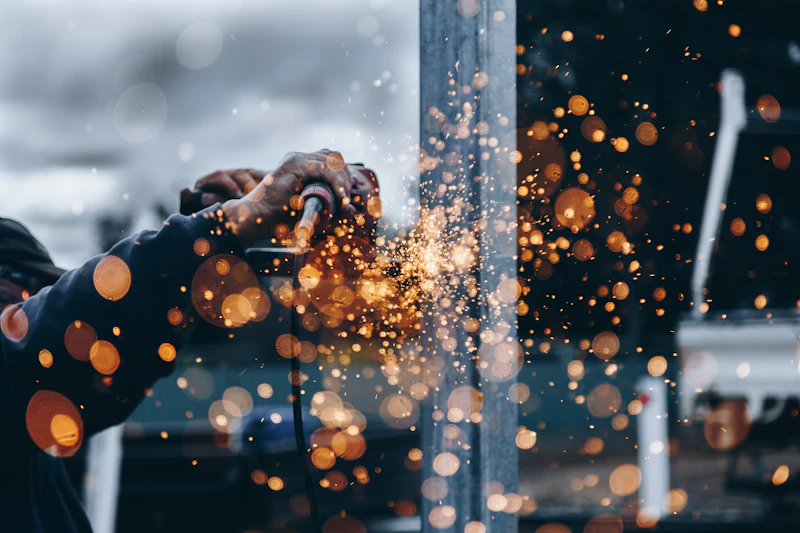
If you want to see a specific part in more detail, the nozzle arrangement, the support design or how the filter section is laid out, tell us which one and we will send photos of that area from a tank in production.
What We Check Before Shipment
Before a tank leaves, it gets checked as a working system, not as a finished piece of stainless steel sitting in the workshop.
Water circuit, spray coverage, mechanical adjustment, electrical controls and the interfaces to your line. The functions that matter get confirmed here, where fixing something costs nobody a day of production.




Want the test recorded? Ask for photos or video of the water run before shipment, and tell us if you or your agent plan to inspect in person.
Frequently Asked Questions
The questions buyers ask most before they commit to a cooling configuration. If yours is not here, send it over and Maggie will get you an answer.
What Is The Difference Between A Vacuum Calibration Tank And A Spray Cooling Tank?
A vacuum calibration tank sets your pipe size and roundness while giving the first pass of cooling right after the die head. The spray cooling tank sits downstream and keeps pulling heat out after the pipe is already calibrated, so it reaches proper thermal stability before the haul-off, gauging head, printer or saw gets hold of it.
How Long Should A Spray Cooling Tank Be?
There is no tank length that follows from pipe diameter on its own. What sets it is pipe material, OD, wall thickness, line speed, extrusion output, cooling water temperature, and how much cooling your vacuum tank or existing spray tanks already provide.
That is why total cooling length gets calculated from your complete production condition rather than picked off a list as a standard 6m or 9m tank.
Do I Need One Spray Cooling Tank Or Multiple Tanks?
One tank covers plenty of lines running at moderate speed and thermal load. Higher speeds, thicker walls or bigger thermal loads can need two or more cooling stages.
The call comes from your required total cooling length, the floor space you have, your water system capacity and how the downstream equipment is laid out.
Can I Add Another Spray Cooling Tank To Increase Line Speed?
Often yes. Another tank buys you cooling length and cooling time. What has to happen first is confirming that cooling is genuinely your bottleneck.
The extruder, vacuum section, water system, haul-off and cutter all need reviewing too, because any one of them can become the new limit at the speed you are aiming for.
Is Colder Cooling Water Always Better?
Not automatically. Colder inlet water does give you more temperature difference to work with, but the cooling condition still has to suit your pipe material, wall thickness and process.
Stable and even cooling beats the coldest water you can get. Cooling that is too aggressive or uneven creates its own temperature gradients through the wall, and those show up in the pipe.
What Causes Uneven Cooling Around The Pipe?
Usually blocked or badly positioned nozzles, uneven water distribution, not enough circulation flow, dirty filters, or spray pressure that will not hold steady.
If one part of the pipe keeps coming out hotter than the rest, work through those before anyone concludes the tank is undersized.
How Can Spray Nozzle Blockage Be Reduced?
Filter the circulating water properly, and keep both the filters and the nozzles somewhere your operators can actually reach for routine inspection and cleaning.
Your water quality matters as much as the hardware. Sediment, particles and deposits gradually restrict the spray circuit and change the pattern while the line keeps running.
Can A New Spray Cooling Tank Be Connected To My Existing Extrusion Line?
Yes, as long as the mechanical and utility interfaces line up.
Before we configure anything we check line center height, pipe diameter range, the installation length available, water connections, your existing cooling section and where the downstream equipment sits. A drawing of your current line makes retrofit projects much easier.
Why Does The Pipe Cool Properly At Low Speed But Stay Too Hot At Higher Speed?
Speed up the line and the pipe spends less time inside the cooling section. If your existing cooling length and water side capacity cannot move the required heat in that shorter window, the pipe arrives at the downstream equipment still hot or soft.
That pattern is one of the clearest signs your available cooling capacity needs reviewing.
What Information Is Needed To Determine The Correct Cooling Configuration?
The ten that tell us the most:
- Pipe material
- OD range
- Wall thickness or SDR
- Maximum line speed
- Extruder output
- Existing vacuum tank length
- Existing spray cooling length
- Cooling water inlet temperature
- Available installation space
- Existing line layout
With those in hand, the required total cooling length, tank quantity and water system requirements can be worked out properly instead of estimated.
Still not sure which of these applies to your line? Send the numbers you have and we will tell you what your cooling section is actually doing.
Send Your Line Specs To Maggie
Pipe material, OD range, wall thickness, maximum line speed. Four lines is enough for a real cooling configuration and a quote back within 24 hours.

Maggie
Sales, QTech Machinery
Replies within 24 hoursYour message reaches me directly. If cooling is not what is holding your line back, I will tell you that before you order anything.
- Cooling length sized to your line speed
- Center height and voltage matched to your line
- Water run tested before shipment
Get Your Cooling Configuration
Fields marked are required