High-speed mixing stage
Review the mixing action and process conditions needed for the formulation. Define the purpose of the batch, including blending, coloring or other preparation steps.
Define the batch process from formulation preparation to discharge.
Compare SRL-Z high-speed mixing units for plastic material preparation. Specify formulation, batch size, mixing sequence and the transfer to downstream equipment.
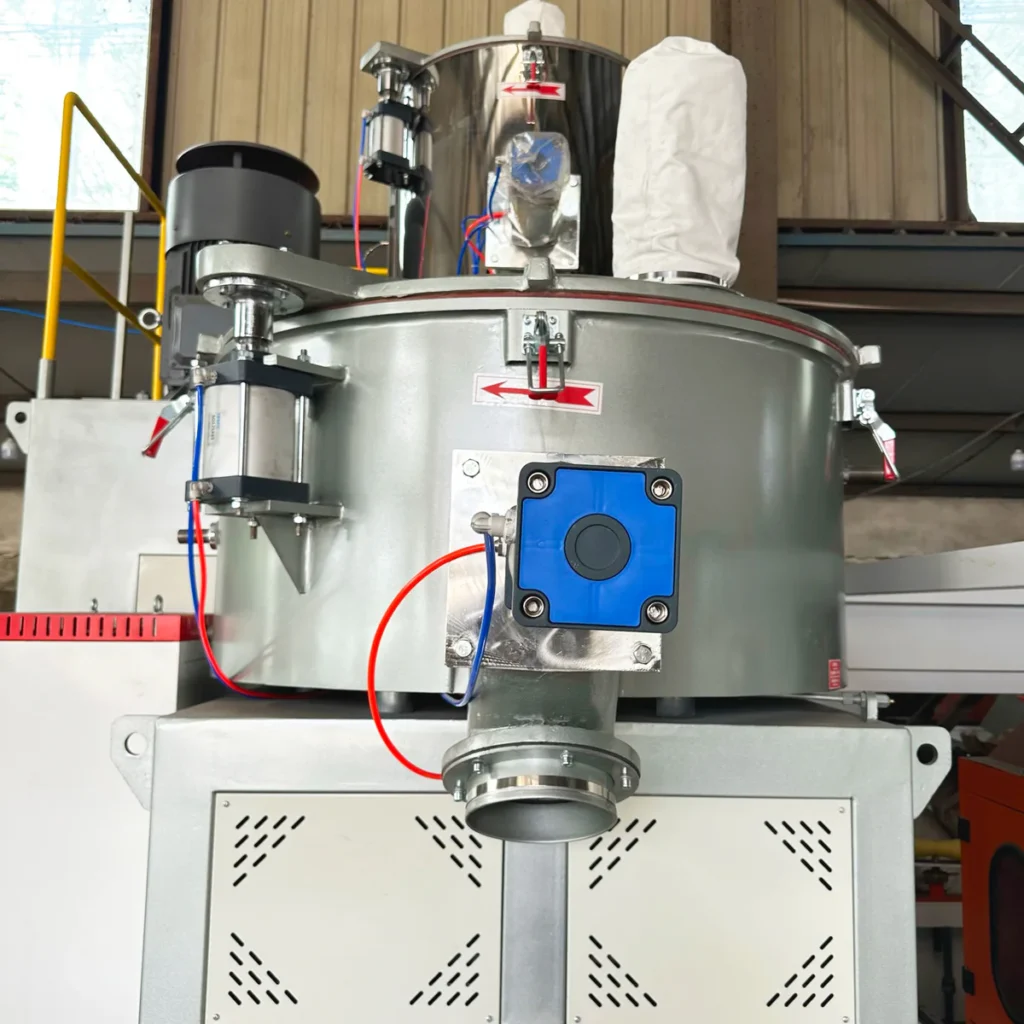 SRL-Z Series
Series
SRL-Z
Models in comparison
8
Machine Type
Mixing & Feeding
The SRL-Z series provides a vertical mixing-unit arrangement for preparing plastic materials. A useful specification describes the full batch: ingredients, loading order, mixing conditions and the required state of the material at discharge.
For PVC dry blending or another material-preparation task, define the formulation and the intended production rhythm. The nominal machine designation is only a starting point; batch loading and cycle conditions should be evaluated against the actual material.
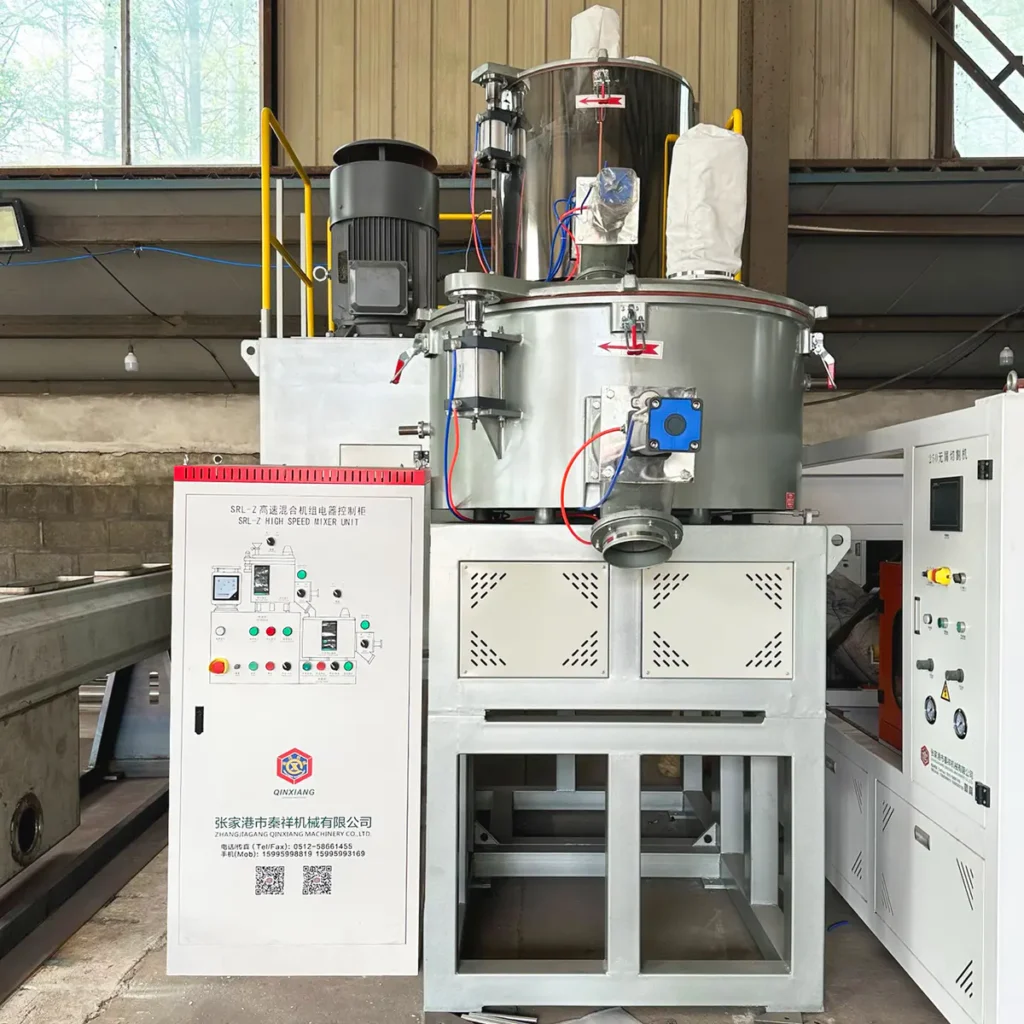
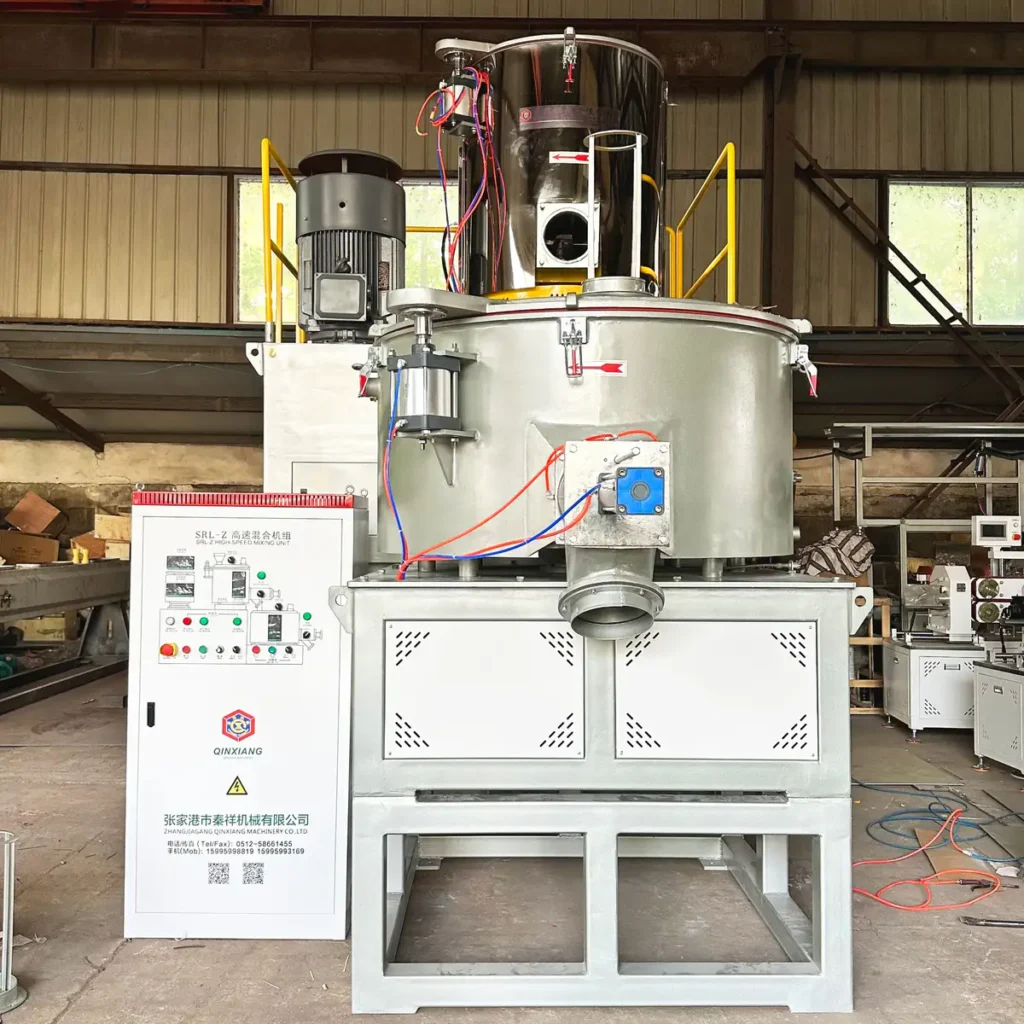
Compare the listed models against your material, product dimensions and operating requirements.
| Parameter | SRL-Z100/200 | SRL-Z200/500 | SRL-Z300/600 | SRL-Z500/1000 | SRL-Z600/1250 | SRL-Z800/1600 | SRL-Z800/2000 | SRL-Z800/2500 |
|---|---|---|---|---|---|---|---|---|
| Overall dimensions (catalog) mm | 3780×1870×2250 | 4580×2240×2470 | 4580×2440×2570 | 4600×3000×4050 | 4680×3200×4150 | 4850×3860×6550 | 4850×4060×6650 | 4850×4260×6850 |
| Weight (catalog) kg | 3200 | 3400 | 4200 | 5800 | 6500 | 8700 | 9500 | 9800 |
Model, overall dimensions and weight are transcribed from the catalog. Vessel capacity, batch size and drive arrangement must be confirmed for the selected mixer configuration.
Review the mixing action and process conditions needed for the formulation. Define the purpose of the batch, including blending, coloring or other preparation steps.
The paired unit connects mixing and subsequent material preparation stages. Identify the mixing, cooling, transfer and discharge stages included in the proposed scope.
Use the model table to shortlist an arrangement, then review the confirmed drive specification, batch process and installation requirements.
Send your material, product size and output target. We shortlist the model and the options with you before quotation.
Describe resin, fillers and additives, including the ingredient addition sequence and discharge conditions.
Provide material properties and the purpose of mixing. Different formulations can require different process conditions and operating procedures.
Settle these points first and the quotation you receive can be compared line by line.
State batch mass and bulk density along with the formulation. A vessel volume should not be treated as an identical working mass for every material.
Define loading time, mixing stages, any cooling stage and discharge. Use the full cycle when assessing batch production requirements.
After It In The Line
SJSZ Conical Twin-Screw ExtruderThese machines show the position in a typical line, not a confirmed match. Interfaces are checked for each configuration.
Complete Lines Using This Machine
Related Parts To Identify
These part families are used on this type of machine. Send the nameplate, a photo or the drawing so the size and version can be matched.
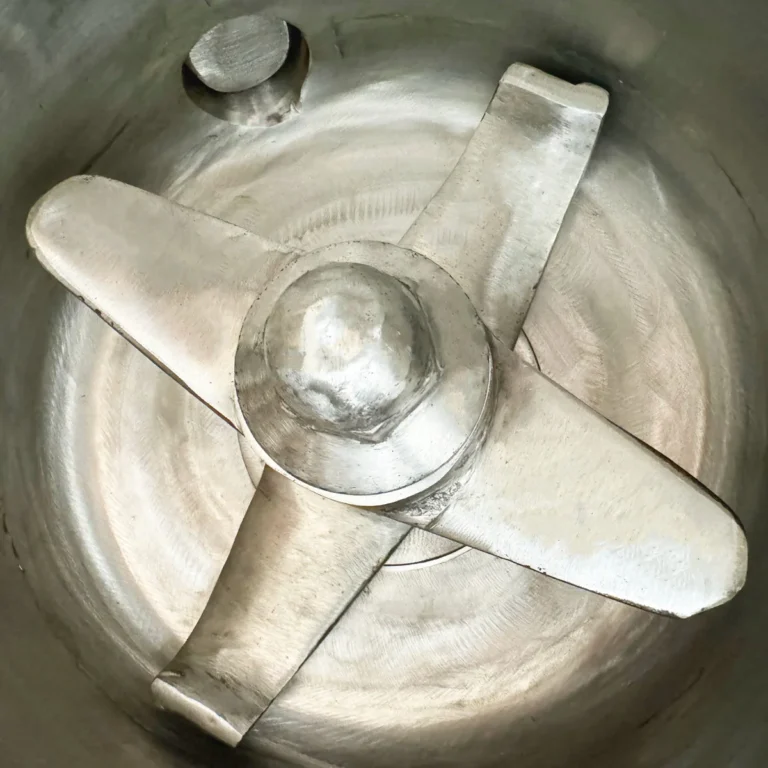
Part Family
Match replacement mixer blades to the shaft, blade arrangement and vessel geometry of your machine. Send the mixer identification, blade drawing and material information to define the correct replacement scope.
Identify The PartPoints worth writing into the order, so the run test before shipment proves what matters for your product.
Use the agreed formulation and sampling procedure to assess the required mixing result.
Record the operating sequence, relevant temperatures and discharge behavior for the agreed batch.
Need an answer for your own material or product? Ask Maggie directly.
Begin with batch mass, bulk density, formulation and the required number of batches. Confirm the complete loading, mixing, cooling and discharge cycle.
Do not assume that it does. Working mass depends on vessel use and material bulk density. Confirm the batch basis in the technical specification.
Related batching and central-feeding equipment can be reviewed with the mixing unit. The connection requires a review of batch quantities, loading sequence, transfer and controls.
Tell us what you need to produce, the required output and whether this is a new installation or a replacement. Share the information you already have so we can review the next configuration details with you.
Have These Ready