Cutting method selection
Compare the proposed saw or blade arrangement with the material and section. Identify whether the machine must follow continuous production or handle a separate cutting operation.
Specify the cutting method from the section, surface and finished-length requirements.
Select cutting equipment for extruded profiles and boards. Review saw or lift-blade arrangements, section support, clamping, cut length and line coordination.
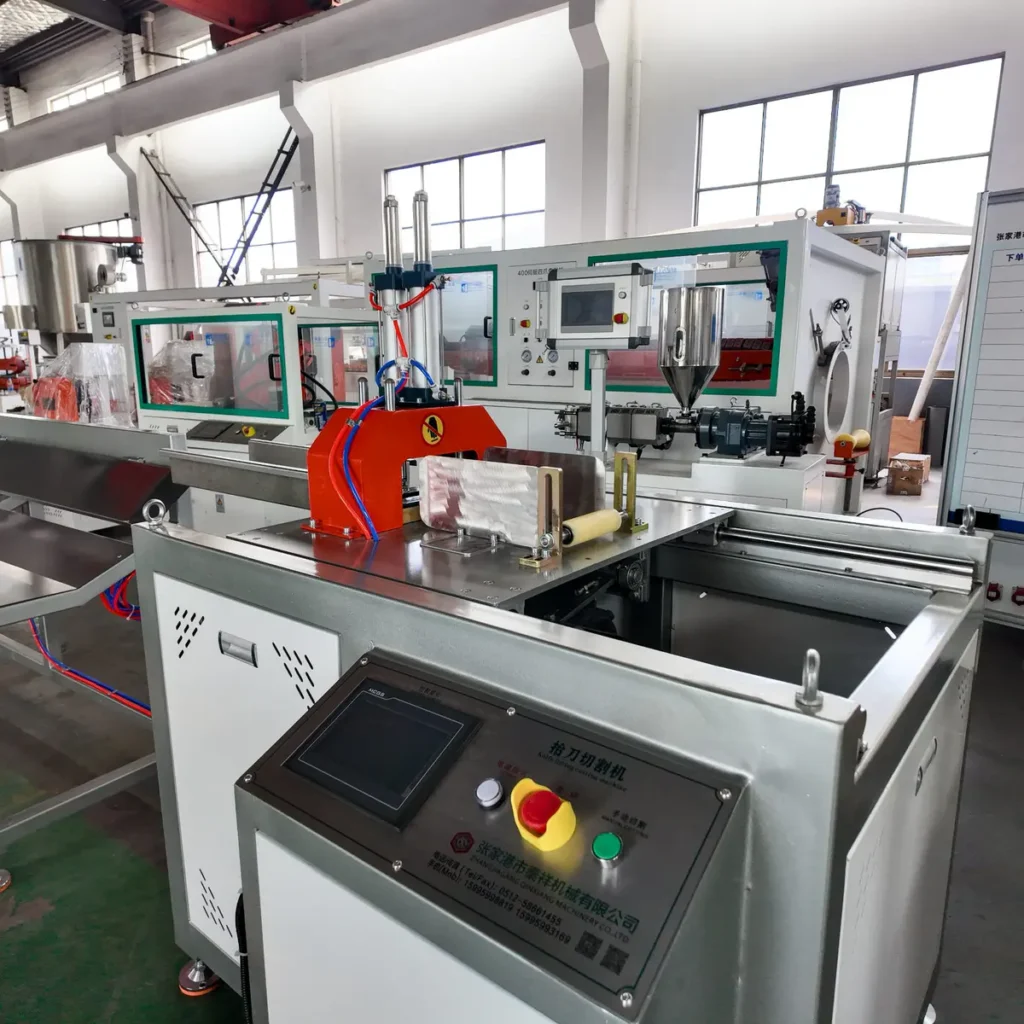
Extruded profiles and boards need cutting equipment that supports the section while producing the required end condition. The equipment range includes profile fixed-length saw cutting, pipe/profile lift-blade cutting and board cutting arrangements. These are alternatives for different product tasks; they should not be treated as one machine with every function included.
Begin with the section drawing and material, then define the cut lengths and acceptance criteria. The geometry of hollow chambers, thin walls and visible surfaces can influence blade choice, clamping and support. Include the operating speed and handling method when specifying an online cutter.
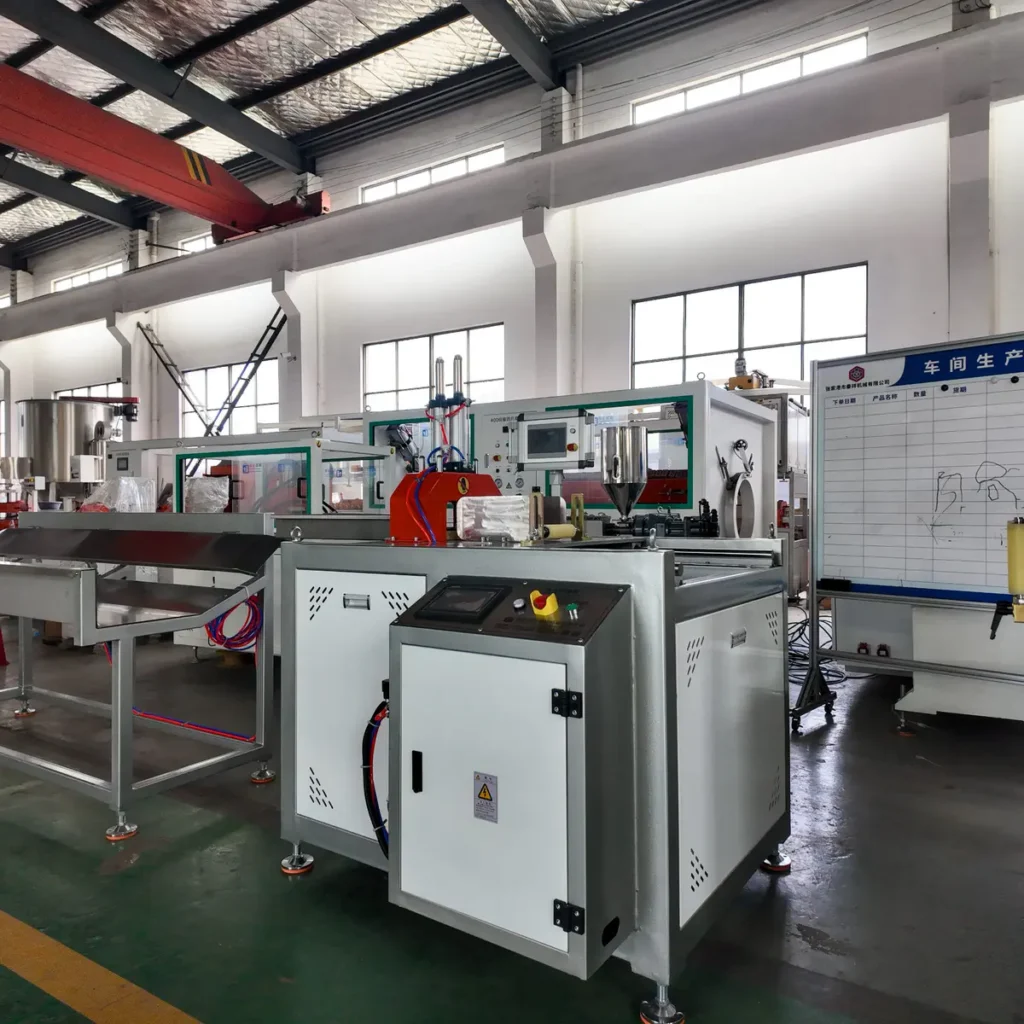
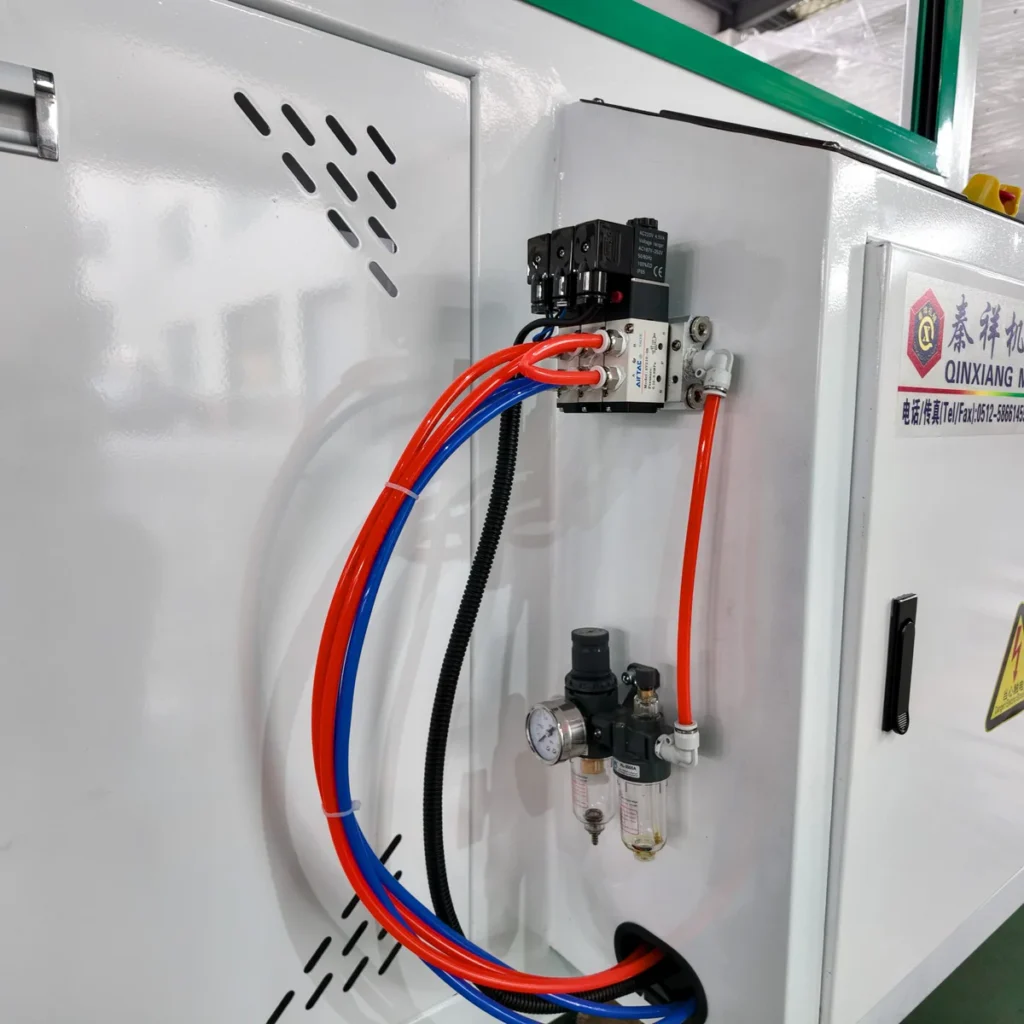
Compare the proposed saw or blade arrangement with the material and section. Identify whether the machine must follow continuous production or handle a separate cutting operation.
Specify where the product can be supported and clamped without damaging its shape or visible surfaces. Include small sections and the widest products in the review.
Define measurement, cutting and discharge as a connected sequence. The cutter must work with the haul-off and downstream handling plan.
Send your material, product size and output target. We shortlist the model and the options with you before quotation.
Use the section drawing to review hollow chambers, wall thickness and contact surfaces. Identify cosmetic areas that should be protected.
Provide width, thickness and cut length along with support and unloading requirements for the finished sections.
Settle these points first and the quotation you receive can be compared line by line.
State the required length, squareness and surface condition. Include any later joining or assembly operation that sets the cut requirements.
Identify the resin and reinforcement or filler content where relevant. Blade selection and cutting conditions need to suit the named material.
Before It In The Line
Extrusion Haul-Off MachineThese machines show the position in a typical line, not a confirmed match. Interfaces are checked for each configuration.
Points worth writing into the order, so the run test before shipment proves what matters for your product.
Inspect cut ends on the agreed range of sections, including the geometry most likely to deform or mark.
Check cut length, clamping, timing and discharge under the agreed production sequence.
Need an answer for your own material or product? Ask Maggie directly.
This page covers cutting arrangements for profiles and boards, including saw and lift-blade options. The product geometry and cut requirements determine the appropriate route.
Possibly, but the support, clamping, blade and working envelope must be reviewed for both. Supply drawings and materials rather than only overall width.
Dedicated hose and flying-cutter arrangements are separate options. They require a separate configuration review for the product and cutting sequence.
Tell us what you need to produce, the required output and whether this is a new installation or a replacement. Share the information you already have so we can review the next configuration details with you.
Have These Ready